About Alexander Babel

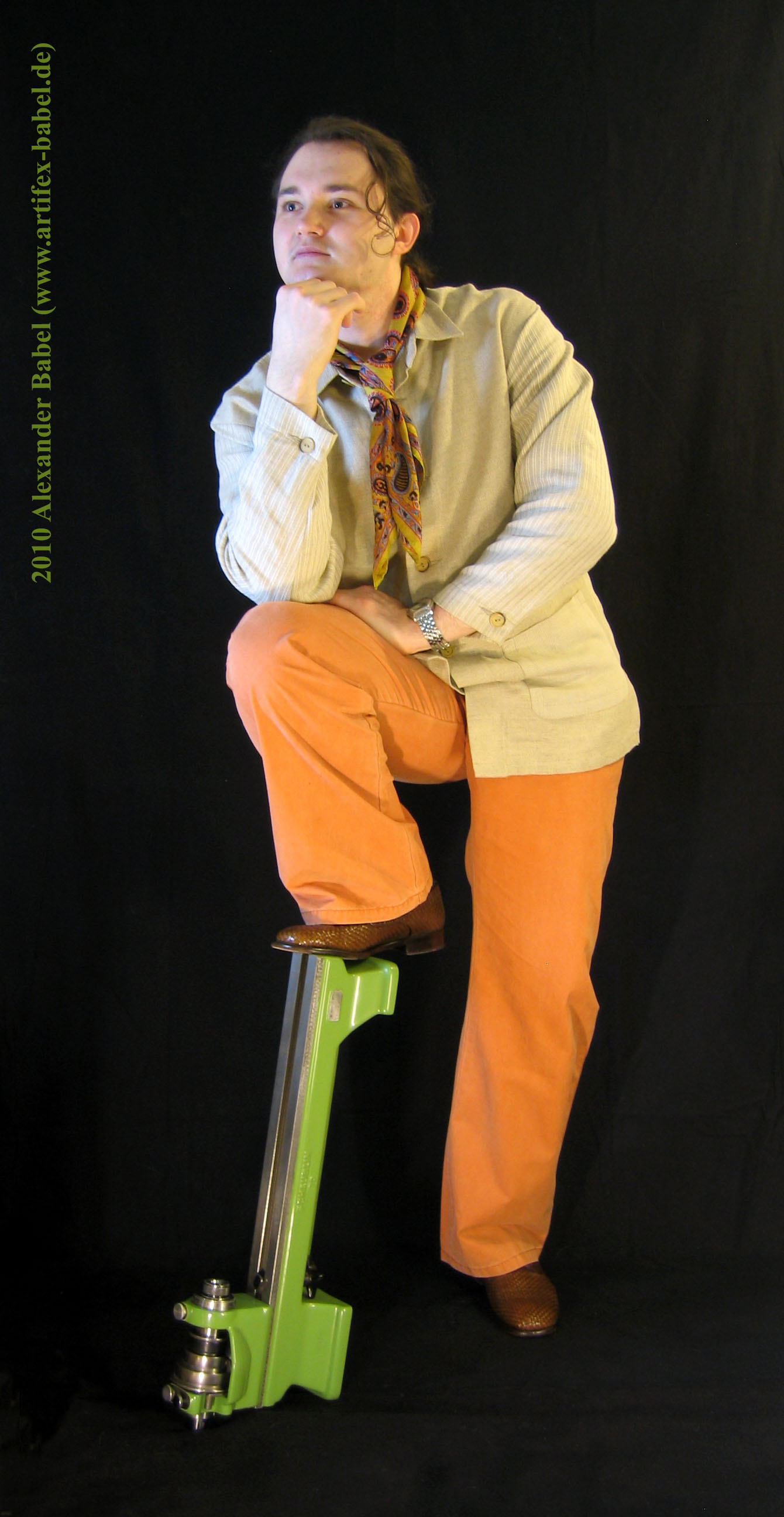
Frontal close-up full-body view of Alexander Babel. One leg is bent at the knee, resting on a Schaublin 70 lathe.

Briefly:

  • Born in 1986 in Novomoskovsk (Tula region)
  • 10 years of secondary school
  • 7 years of music school (piano and trumpet)
  • 4 years of children’s art school
  • 2 years in a model aircraft club
  • 2 years working as an installer of plastic windows
  • End of 2002 – moved to Germany
  • Until 2004 – language courses and examinations at a German secondary school
  • 3 years at the grammar school in Sondershausen
  • 2007 – Abitur (university entrance qualification)
  • 2007 – began studying architecture at the university in Frankfurt am Main
  • 2008 – service in the Bundeswehr

In Detail:

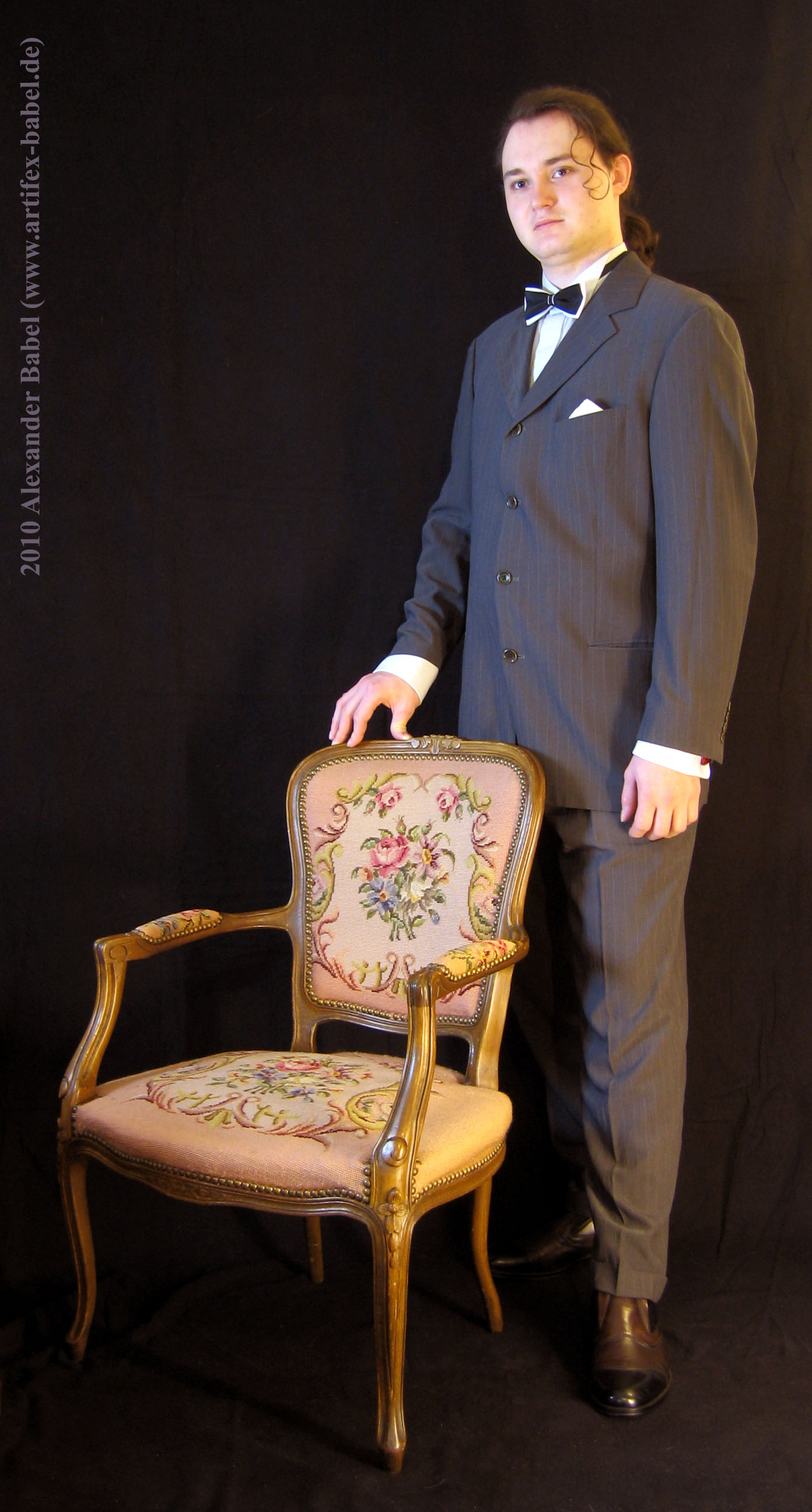
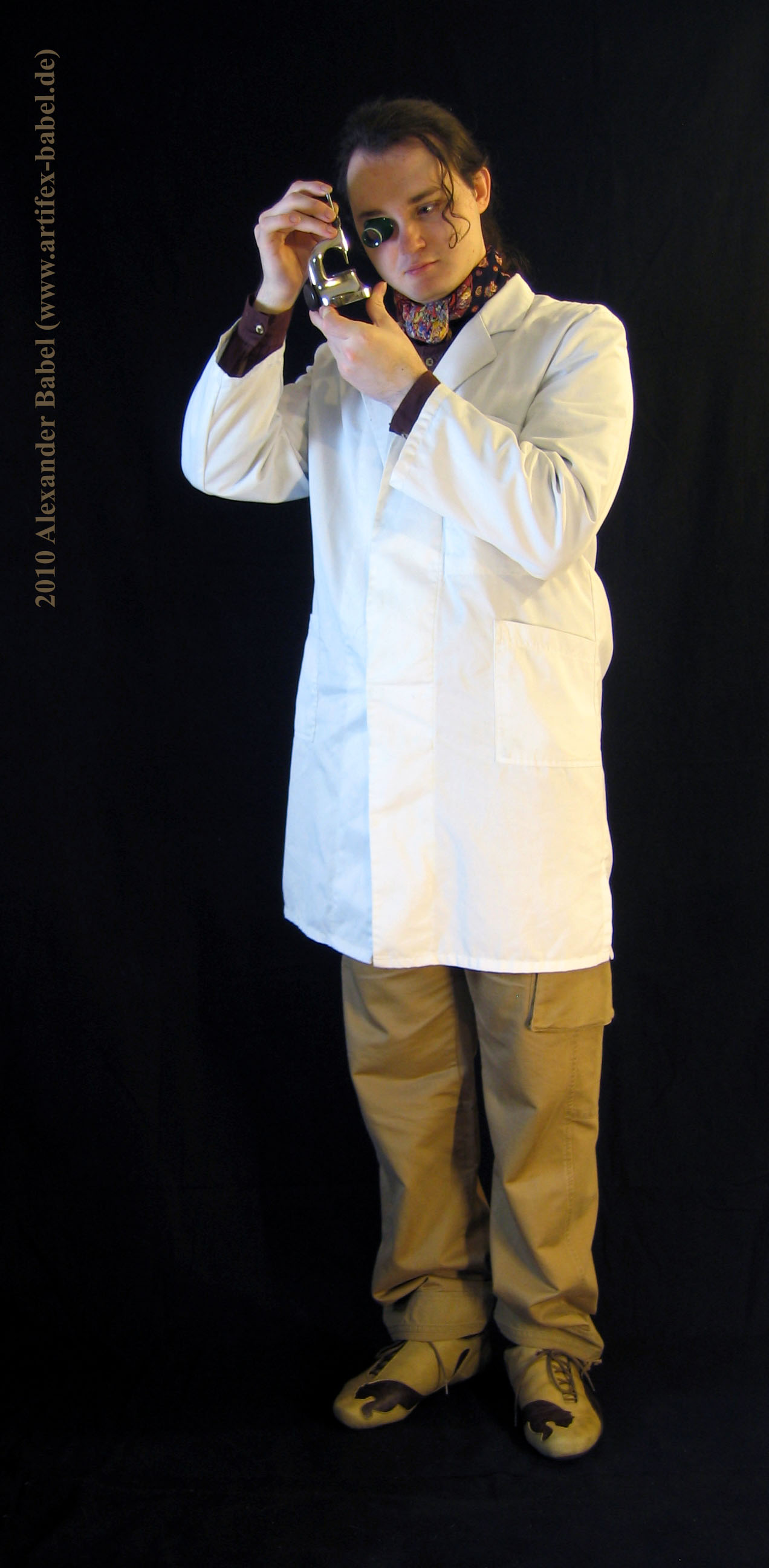
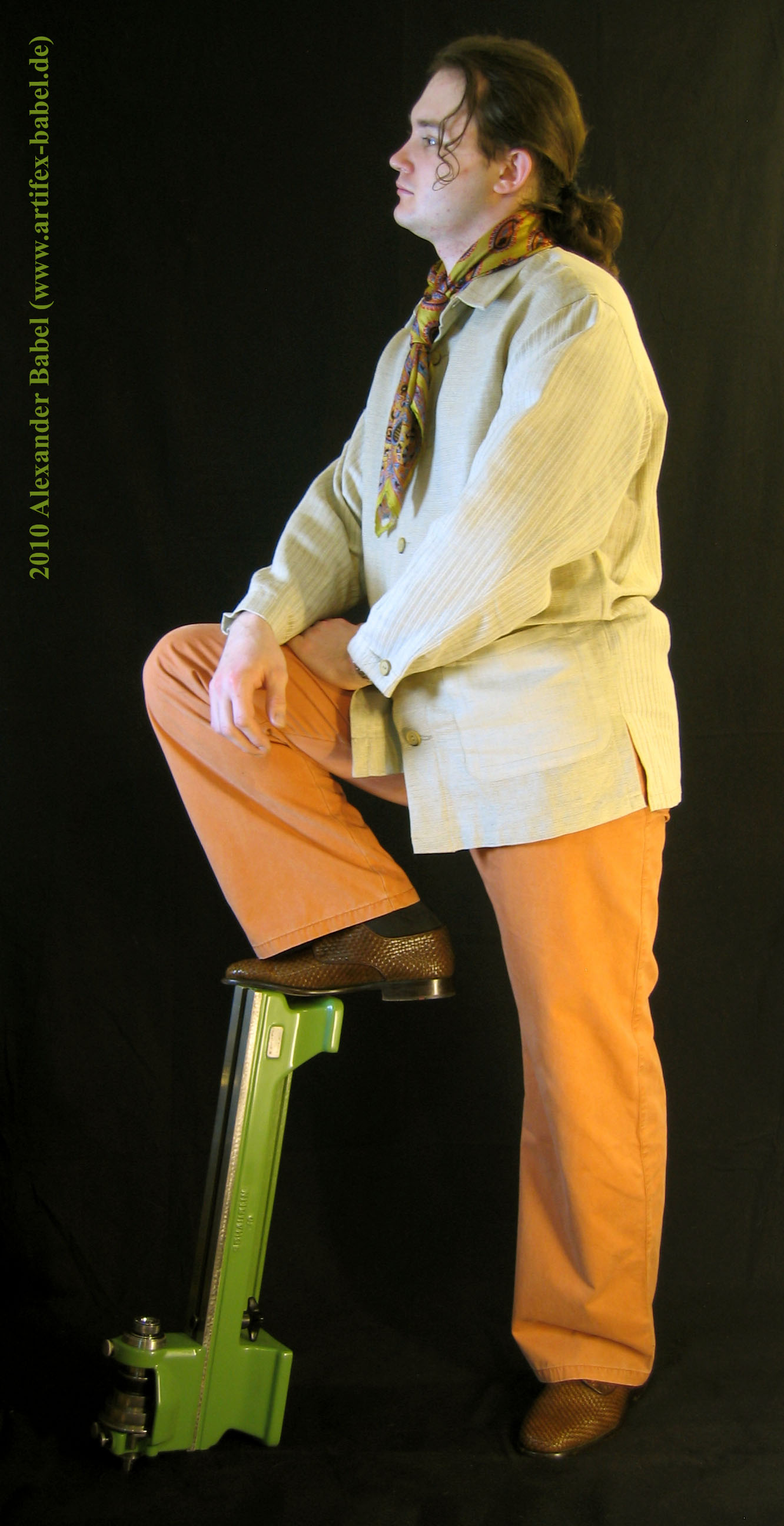
Frontal close-up full-body view of Alexander Babel. Wearing a suit with a bowtie. Next to an antique chair. Close-up full-body view of Alexander Babel examining a part in a staking tool with a loupe. Side-view close-up full-body view of Alexander Babel. One leg is bent at the knee, resting on a Schaublin 70 lathe.

I was born in central Russia 12 hours before the Chernobyl disaster. At the age of five, my mother took me to music school to learn the piano (which she now regrets). From the age of six, she drove me four bus stops away to a regular school where English was taught from the first grade, although the nearest school was separated from our yard by only a fence (the second episode she now regrets, as I still do not really know English).
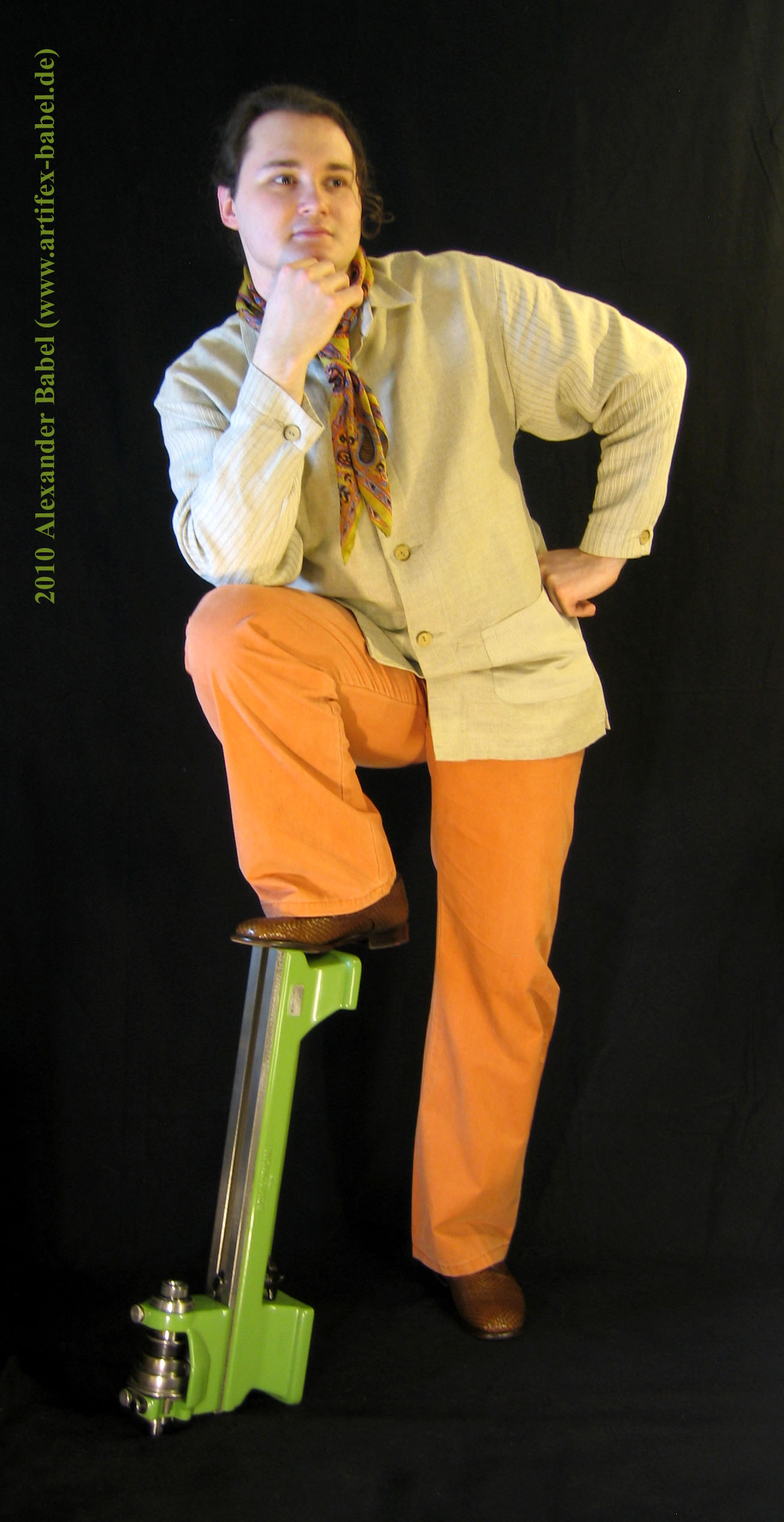
Frontal close-up full-body view of Alexander Babel. One leg is bent at the knee, resting on a Schaublin 70 lathe.

At the age of eleven, a conscious period of my biography began, when without outside influence I started attending a model aircraft club and art school, leaving music school behind.
In 2000, I participated in the regional exhibition “Craftsmen of the New Millennium,” won a prize, and was awarded a one-week trip to Velegozh (a recreation center in the Tula region near the Polenov Estate Museum). In 2001, I successfully graduated from art school with an average grade of 4.8.
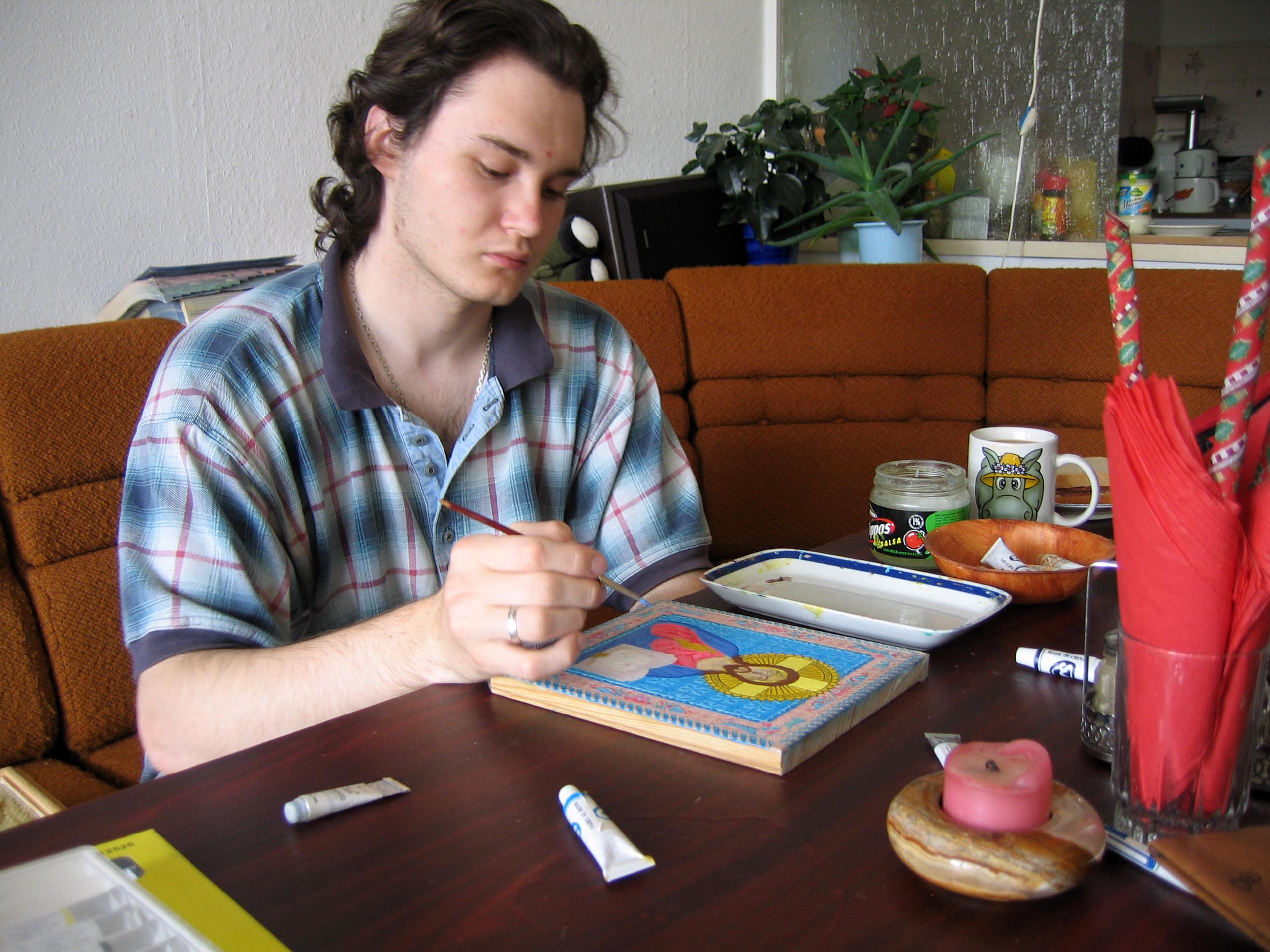
Alexander Babel at the table, painting an icon for the anniversary of Father Dionysius.

A year later, our family moved to Germany, and my gradual path toward higher education began: first a language course combined with studying German school subjects, then grammar school, and finally the Faculty of Architecture at the Hochschule in Frankfurt am Main. However, the process took an unexpected turn: after the first semester, the student outfit had to be replaced with Bundeswehr boots.

In 2006, I began making the case for a grandfather clock. This art object can, in some sense, be described as an “experimentally universal” combination of many techniques: wood carving, bone carving, stone carving, intarsia, and inlay.
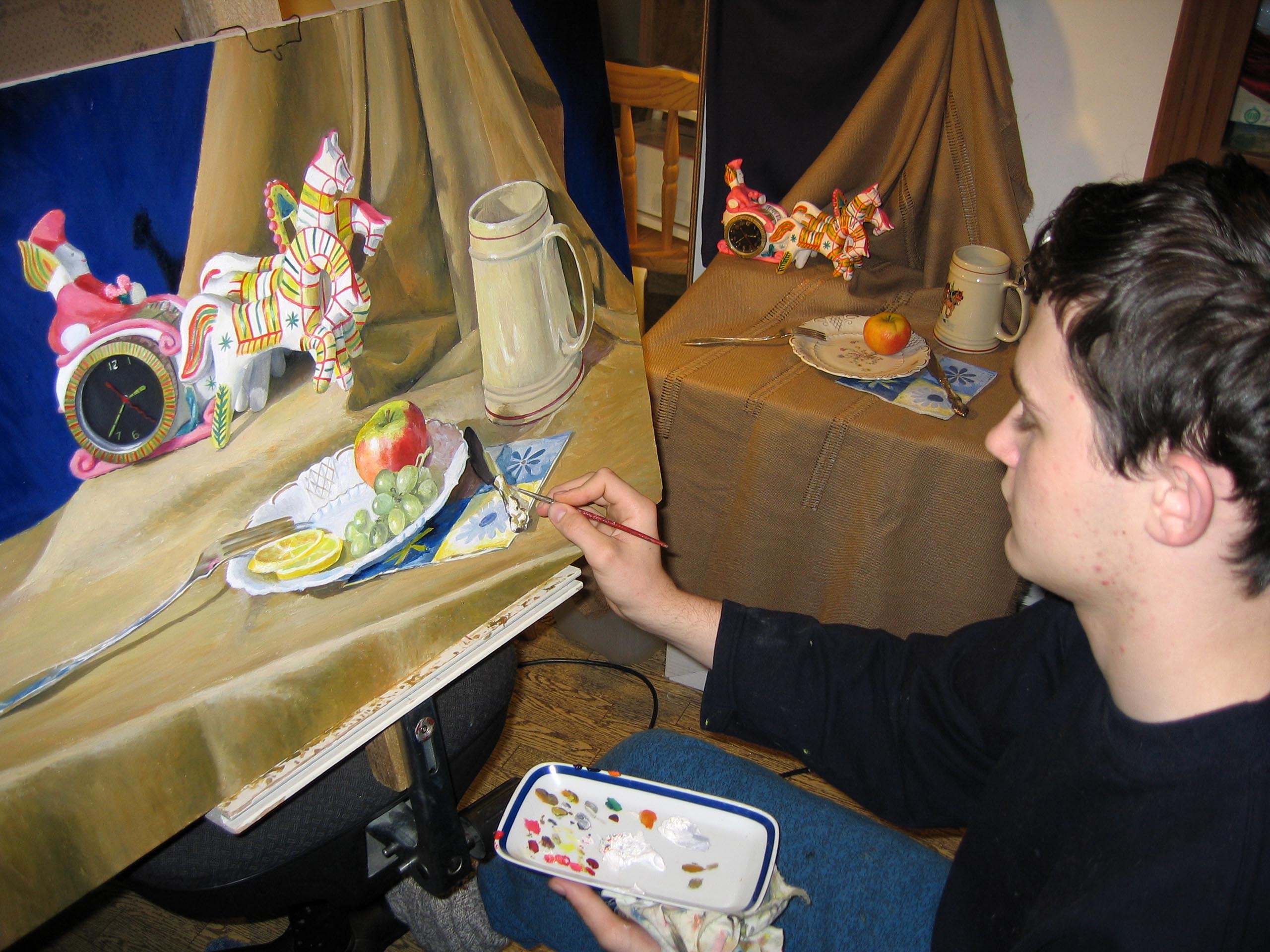
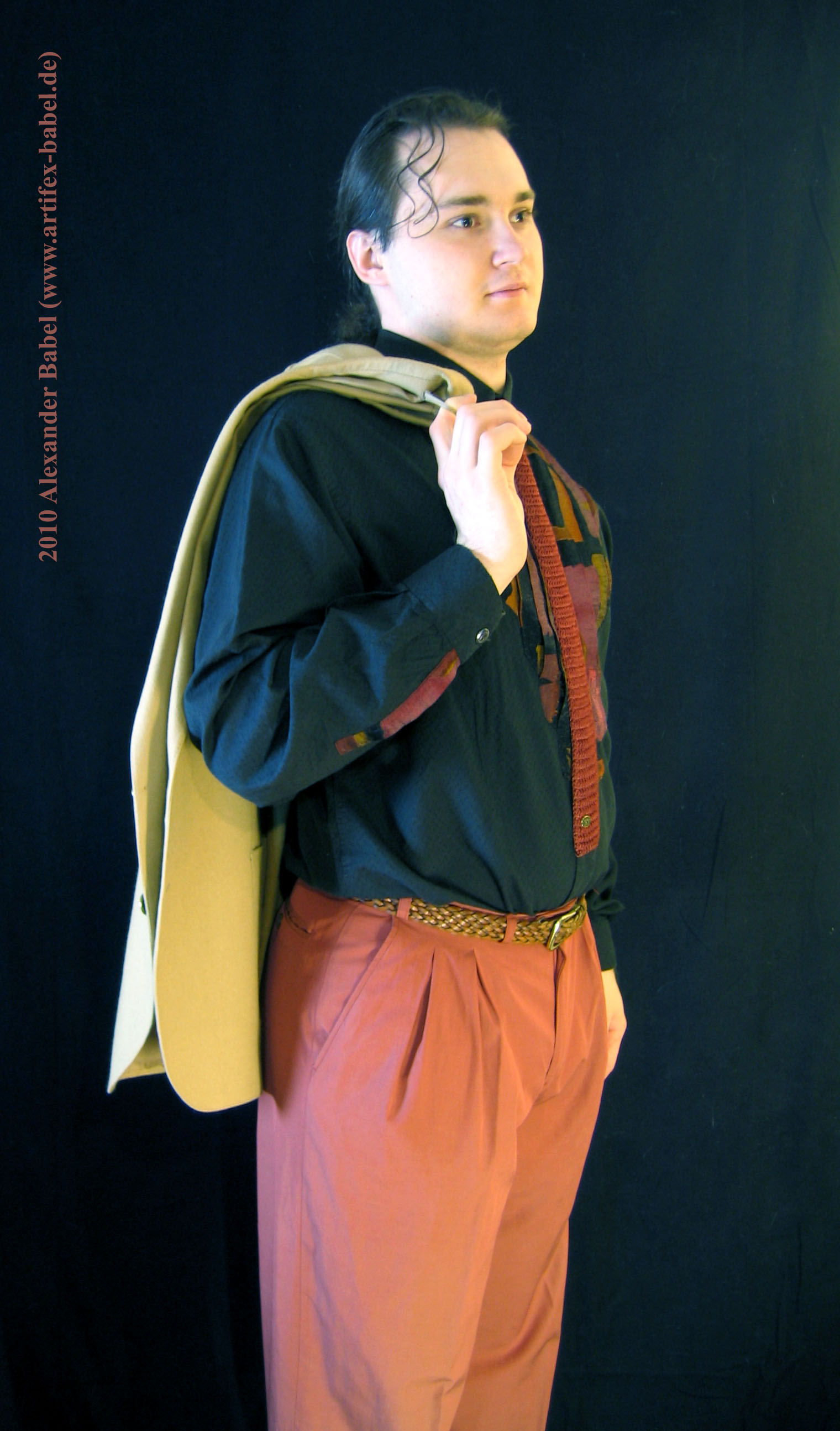
Alexander Babel painting the picture 'Still Life with Troika'. Close-up full-body portrait of Alexander Babel with a jacket draped over his shoulders.

Since March 2008, I have helped create articles for Watch-Wiki, and since 2010 I have been one of its administrators.

Participation in the “Society of Saxon Watchmaking Art” in Glashütte provided an opportunity for further development. The first industrial machines appeared in my workshop. In 2009, I began a project to manufacture a watch movement made of ivory. Some components have already been produced. The project is currently on hold.
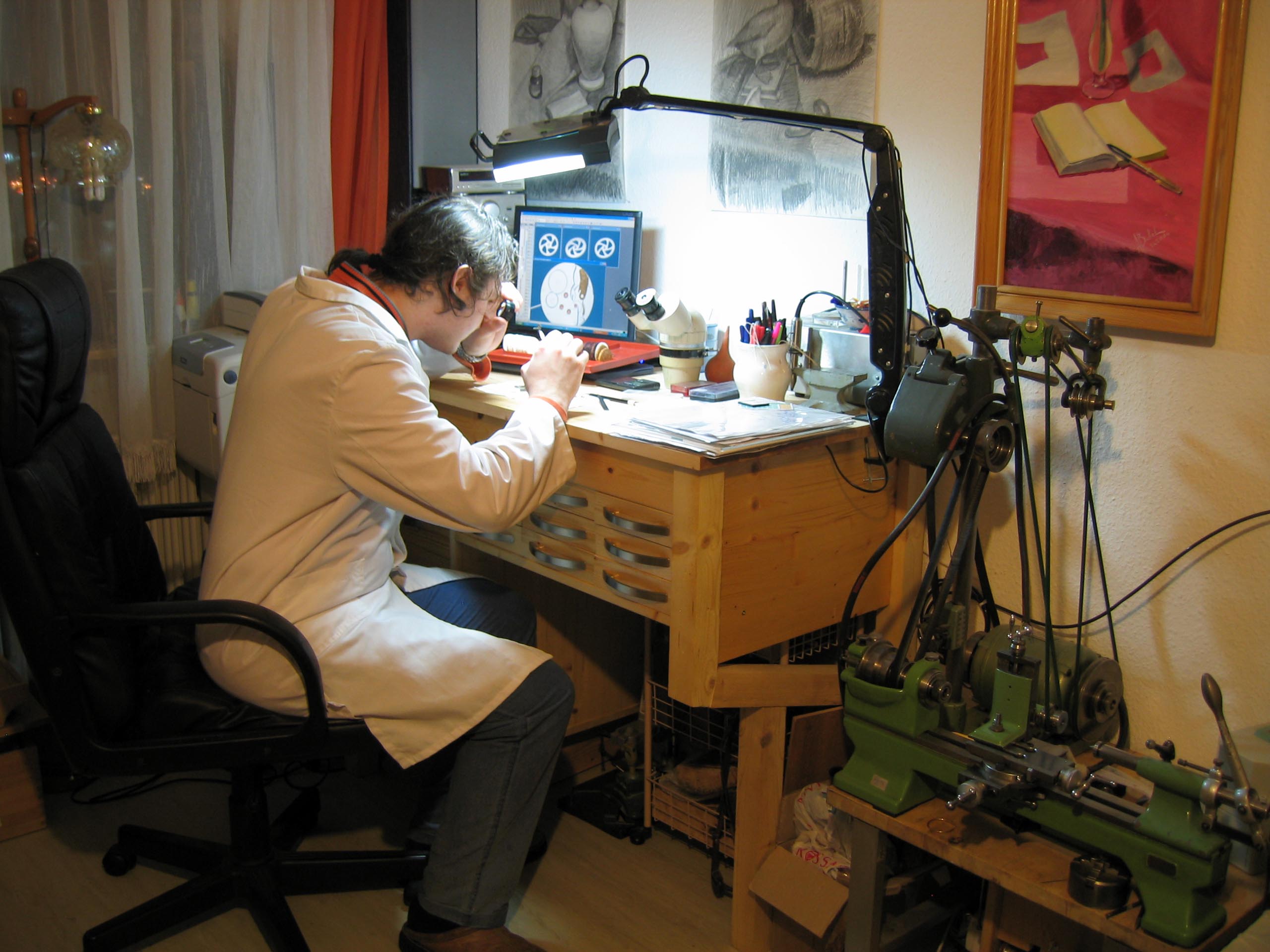
Alexander Babel working at a watchmaker's bench, with a Schaublin 70 lathe on a stand nearby and original drawings on the walls.

The idea of such watches interested Mr. Marco Lang (member of AHCI, son of Rolf Lang and owner of the Lang & Heyne manufacture). In 2011, he asked whether I could imagine that one day watches made of ivory under the “Project Alexander Babel” might be created together with Lang & Heyne. In March 2012, one example was already completed, and a few weeks later the first such watches were presented at the opening of the watch salon “Hartding 1903.”

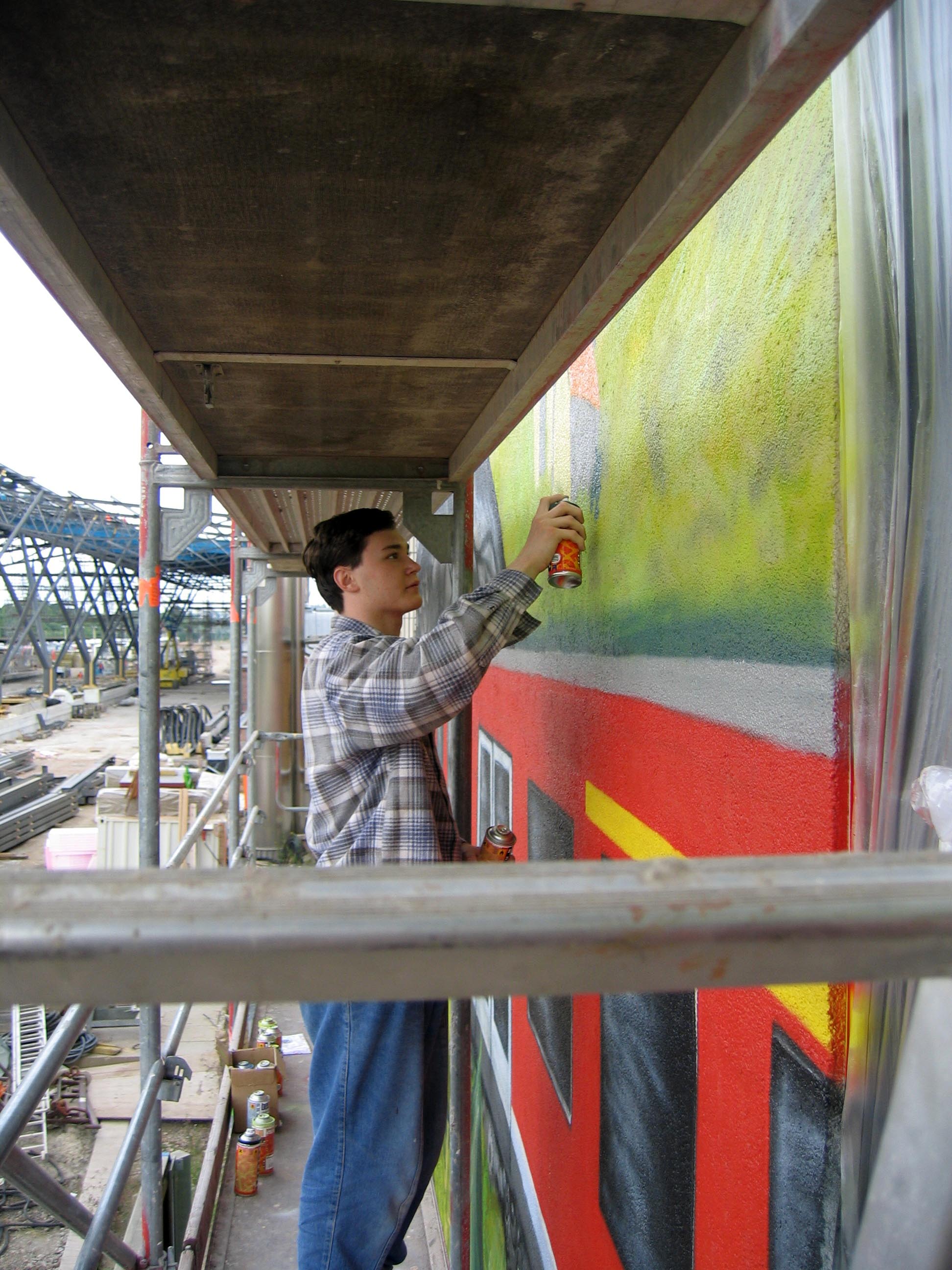
In the summer of 2004, I participated in the Graffiti Workshop 2004 project of the IMAGO School of Design.
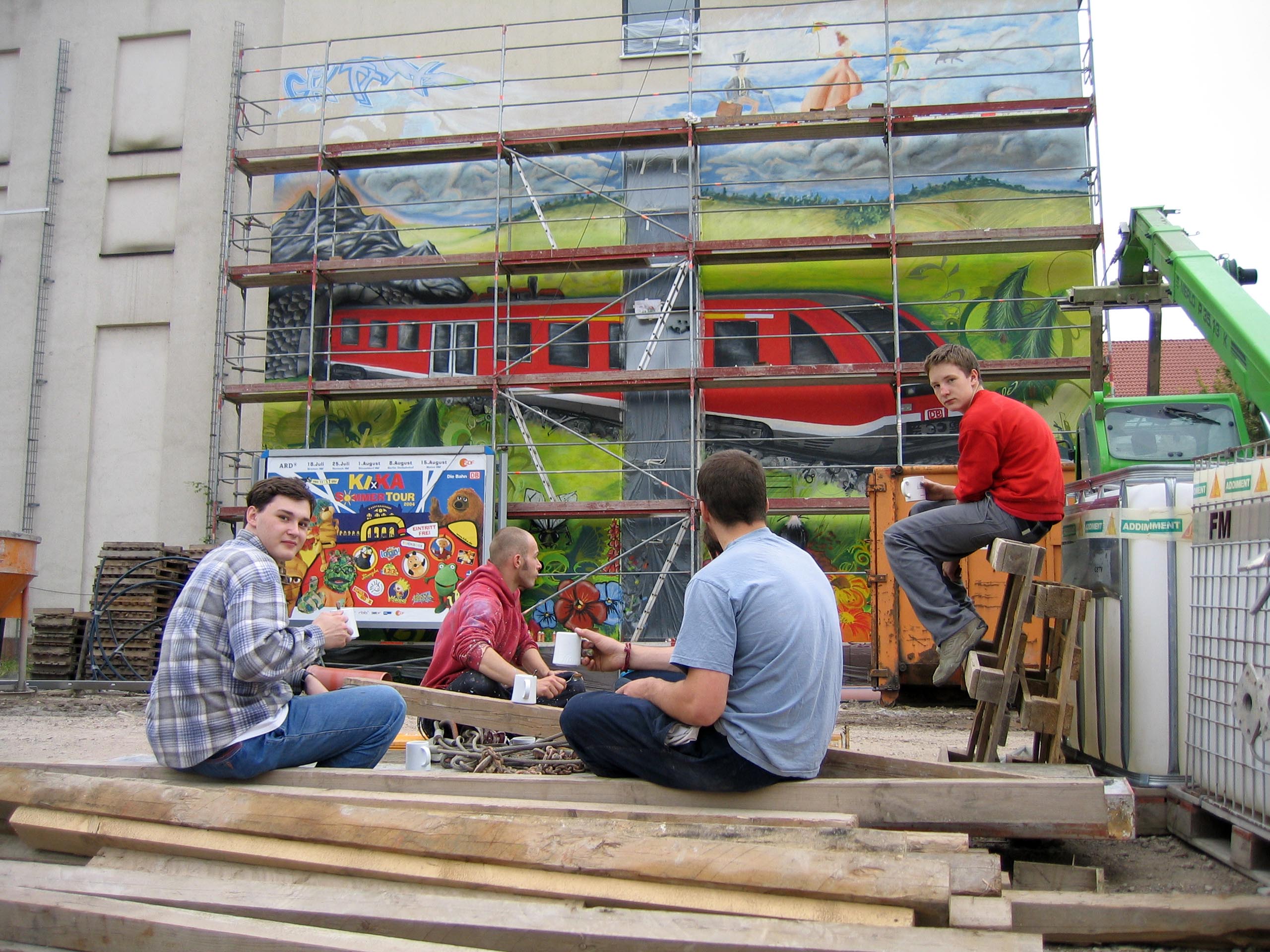
A short break for participants of the Graffiti Workshop 2004, in front of the rear wall facing the railway tracks of the InterCityHotel, Erfurt.

Graffiti – is it a crime or art? The InterCityHotel is located at the railway station in Erfurt. One of its walls faced the railway tracks and had become a victim of spray-can graffiti. What should be done with a simply defaced wall?

The hotel manager Jürgen Karl Kramer and the head of the IMAGO school, Anne-Katrain Maschke, gathered several people to create art on this 13 × 15 meter wall. These were Leon Wagner, Aron Pekar, Claudia Otte, Alexander Babel, Jenny Seidel, Josefa Holland-Merten, David Ehrenberg, Matthias Flücke, and Oliver König. Erfurt, 07.2004.
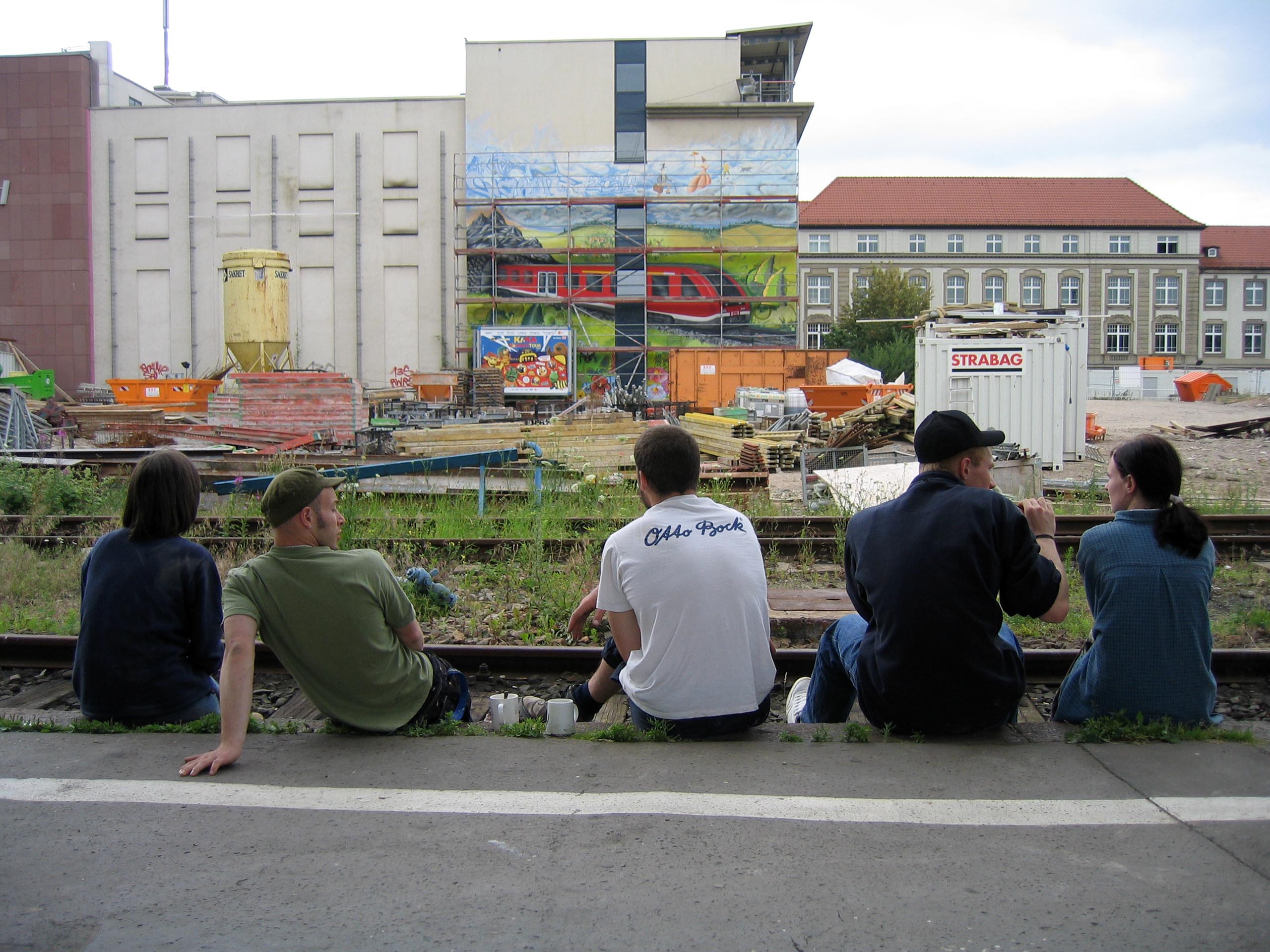
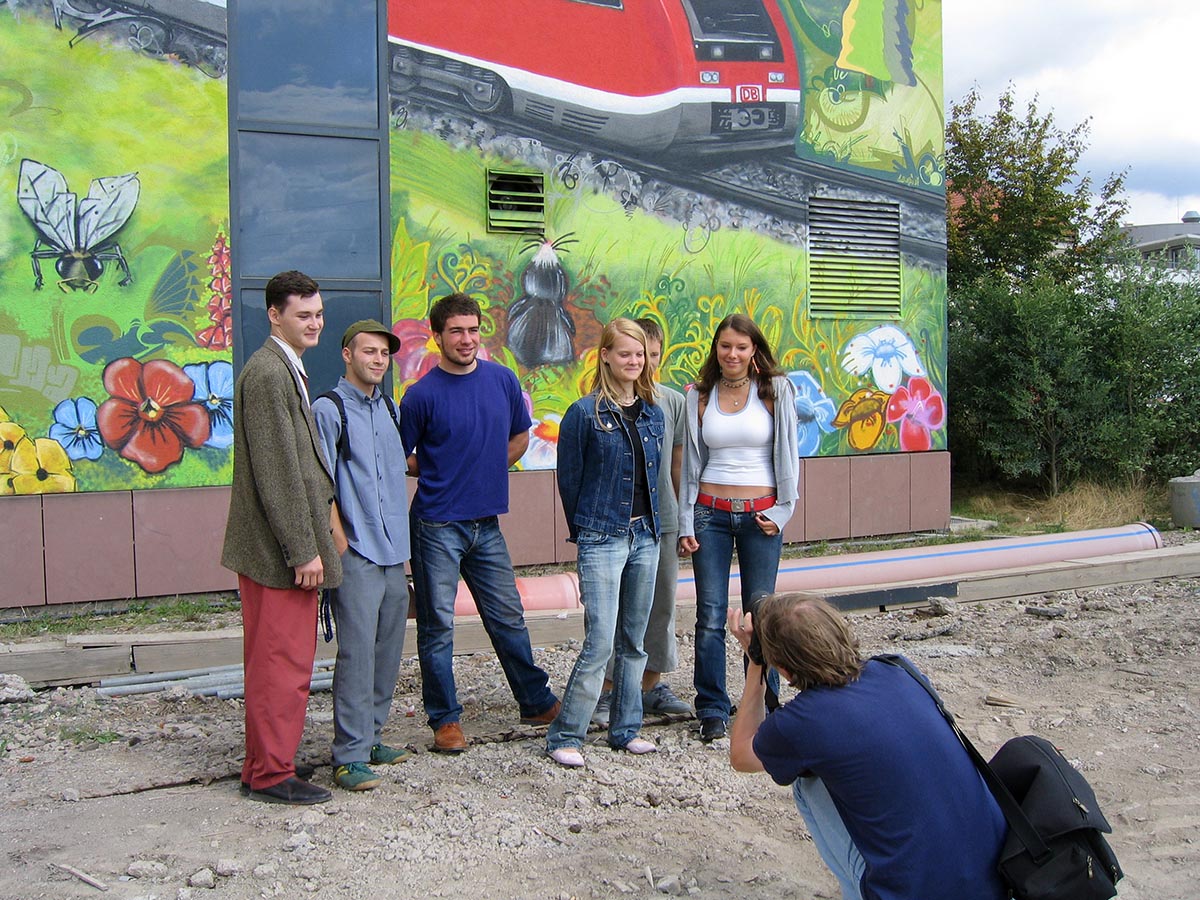
Participants of the Graffiti Workshop 2004, sitting on the platform in front of the railway tracks, looking at the wall of the InterCityHotel, Erfurt. The press photographing the participants of the Graffiti Workshop 2004 in front of the graffiti wall. Alexander Babel applying spray paint, depicting a family – a father with a bag, a mother with an umbrella, and a child with a dog, stepping off a train. Graffiti Workshop 2004.

Ancestors

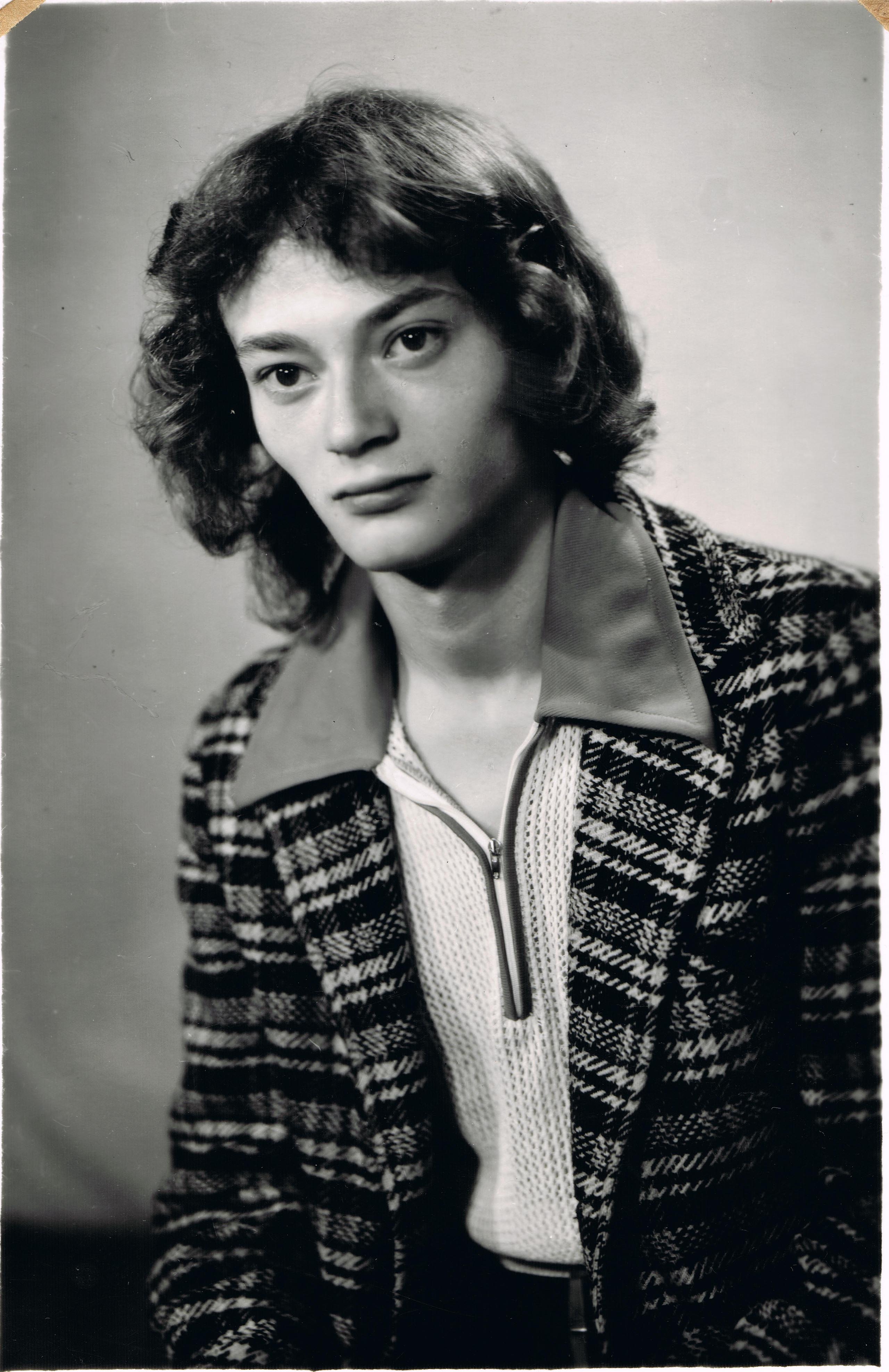
Alexander Babel – Father

Aleksandr Babel, father, portrait.

Born 17.01.1960 – Died 09.11.1987

By profession he was a musician (violin, piano).

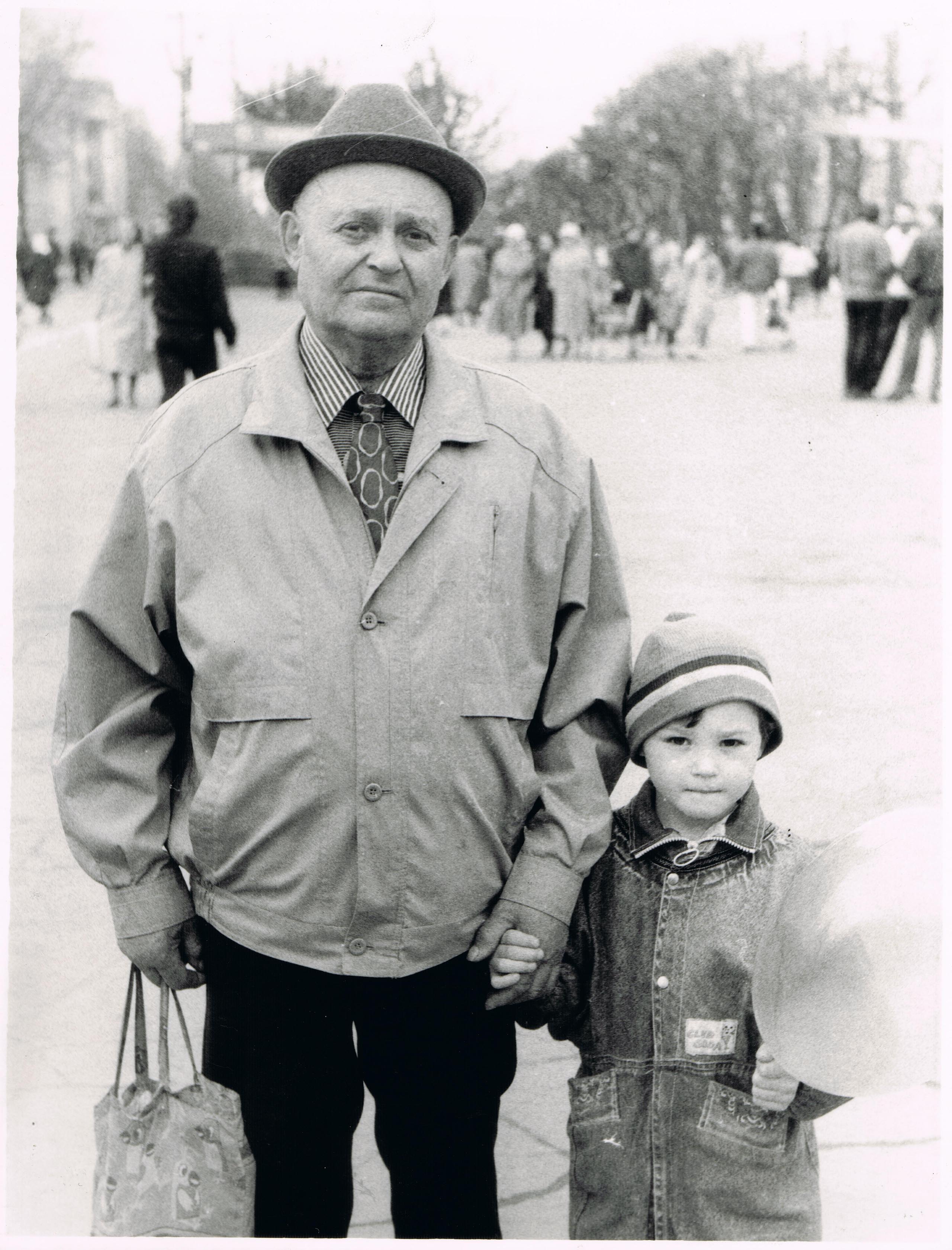
Arthur Babel – Paternal Grandfather

Arthur Babel, paternal grandfather, holding his six-year-old grandson by the hand.

Born 19.06.1924 – Died 23.10.2009

He was an electrician by profession. He worked his entire life at the industrial association “Azot.” When he was younger, he participated in assembling electrical installations and setting up the New Year’s tree on the central square of the city of Novomoskovsk.

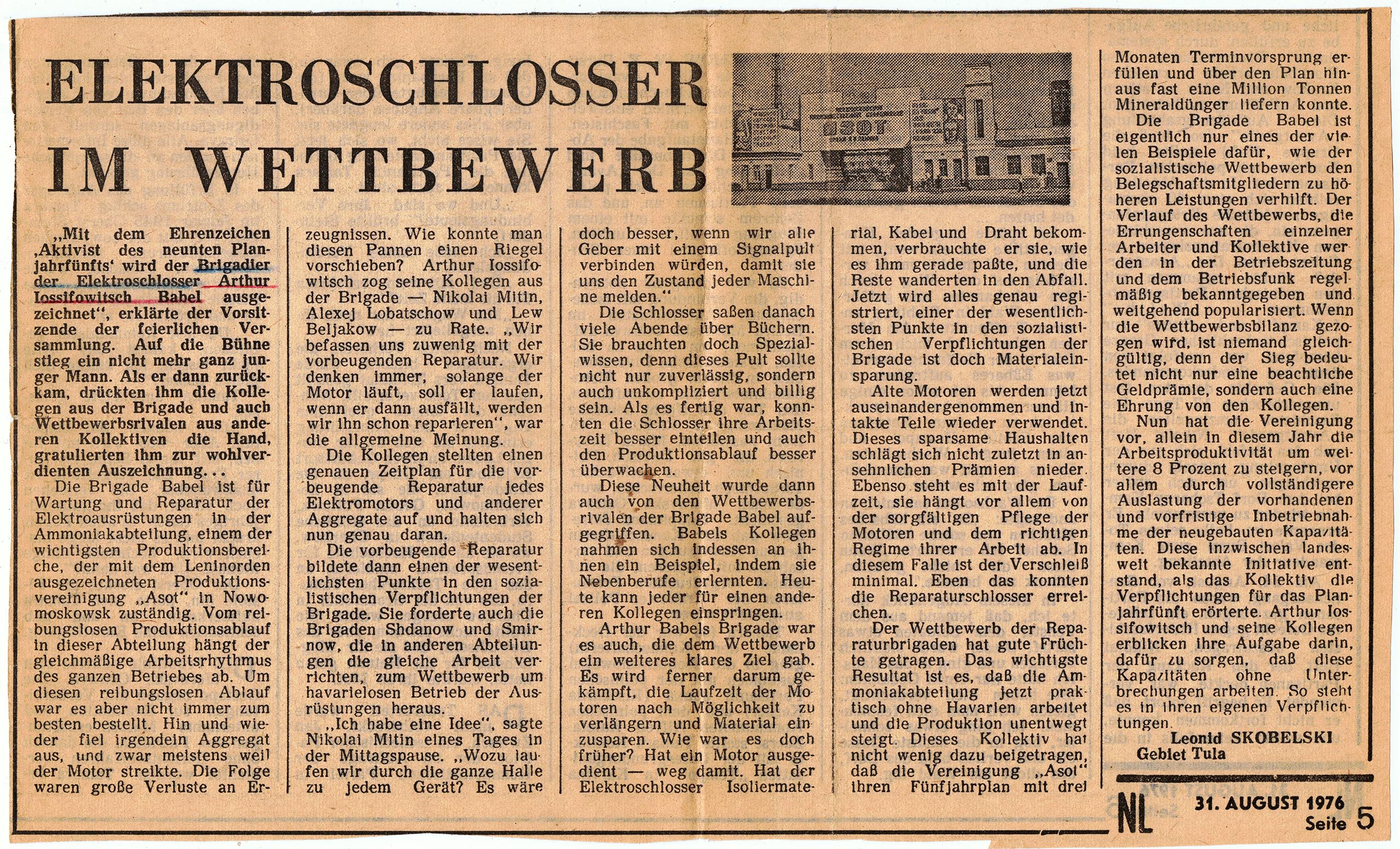
A newspaper clipping from 1976 describing the Soviet planned economy and the brigade of Alexey (Arthur) Iosifovich.

Newspaper clipping from 1976, describing the Soviet planned economy and the brigade of Alexey (Arthur) Iosifovich.

Josef Babel – Great-Grandfather

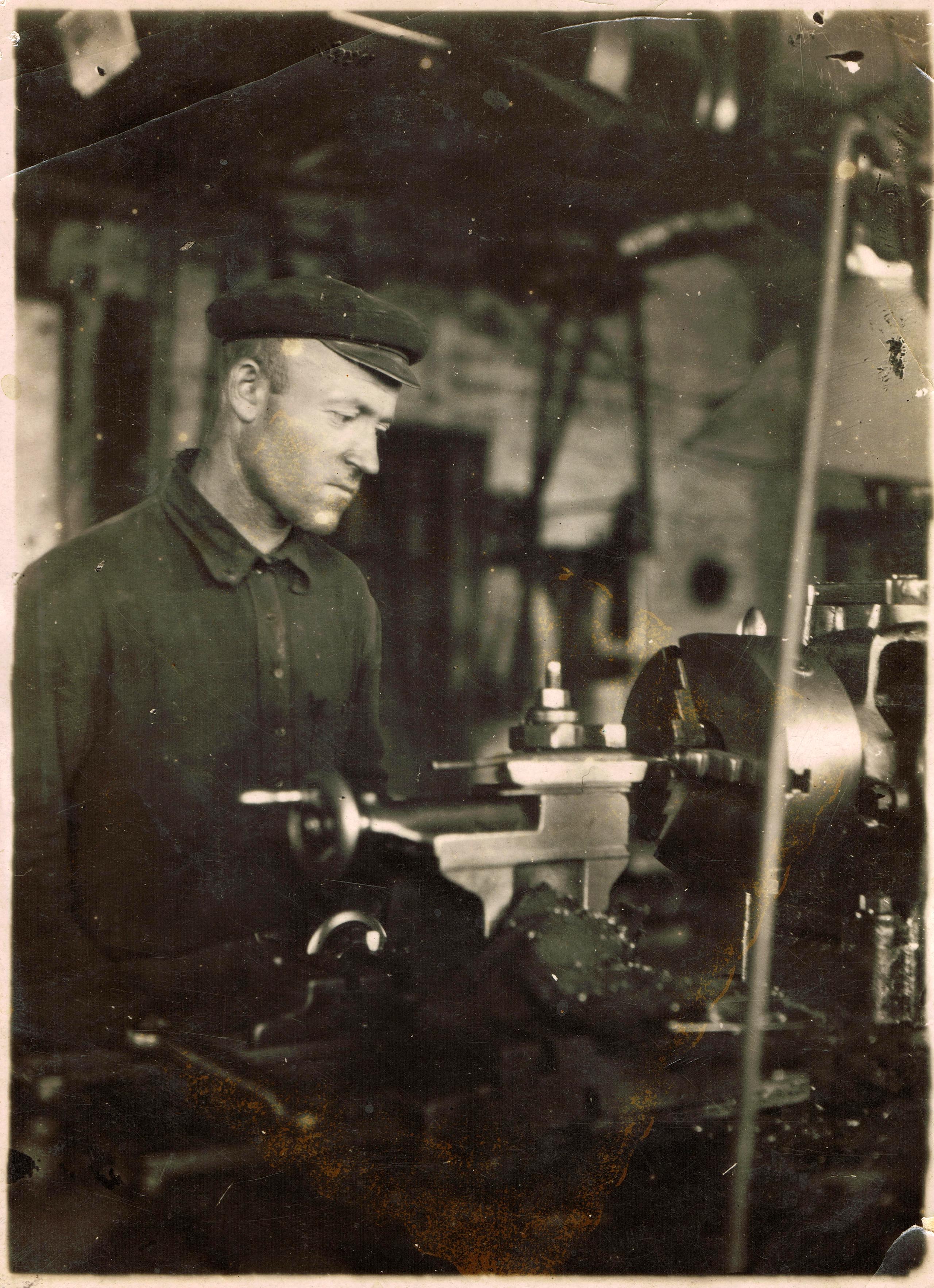
Josef Babel, great-grandfather, in work clothes standing at a 'Krause' lathe.

Born 1896 – Executed 05.03.1938
(Posthumously rehabilitated in the 1990s)

He was a turner by profession.

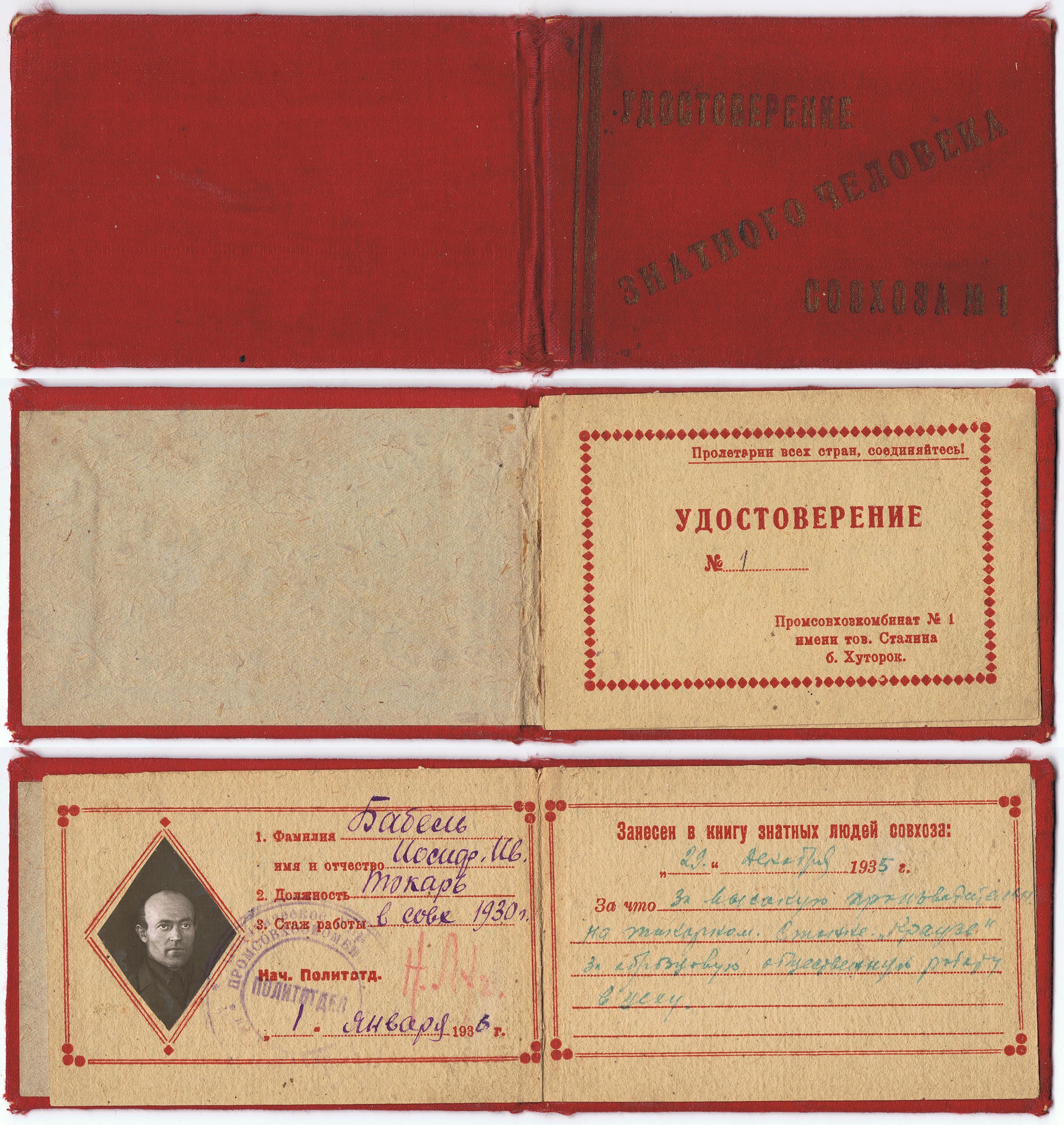
Cover and pages of the 'Distinguished Person of the Sovkhoz' certificate No. 1, dated 01.01.1936. Issued to Josef Babel for high productivity and community work.

This is his certificate as “Distinguished Person of the Sovkhoz,” No. 1. Issued on January 1, 1936, for high productivity at the “Krause” lathe and exemplary community work in the workshop. Two years later, in 1938, he was arrested under the charge of “enemy of the people” and sentenced to execution. In the 1990s, he was posthumously rehabilitated.

Pavel Pavlovich Skorobogatov – Maternal Grandfather

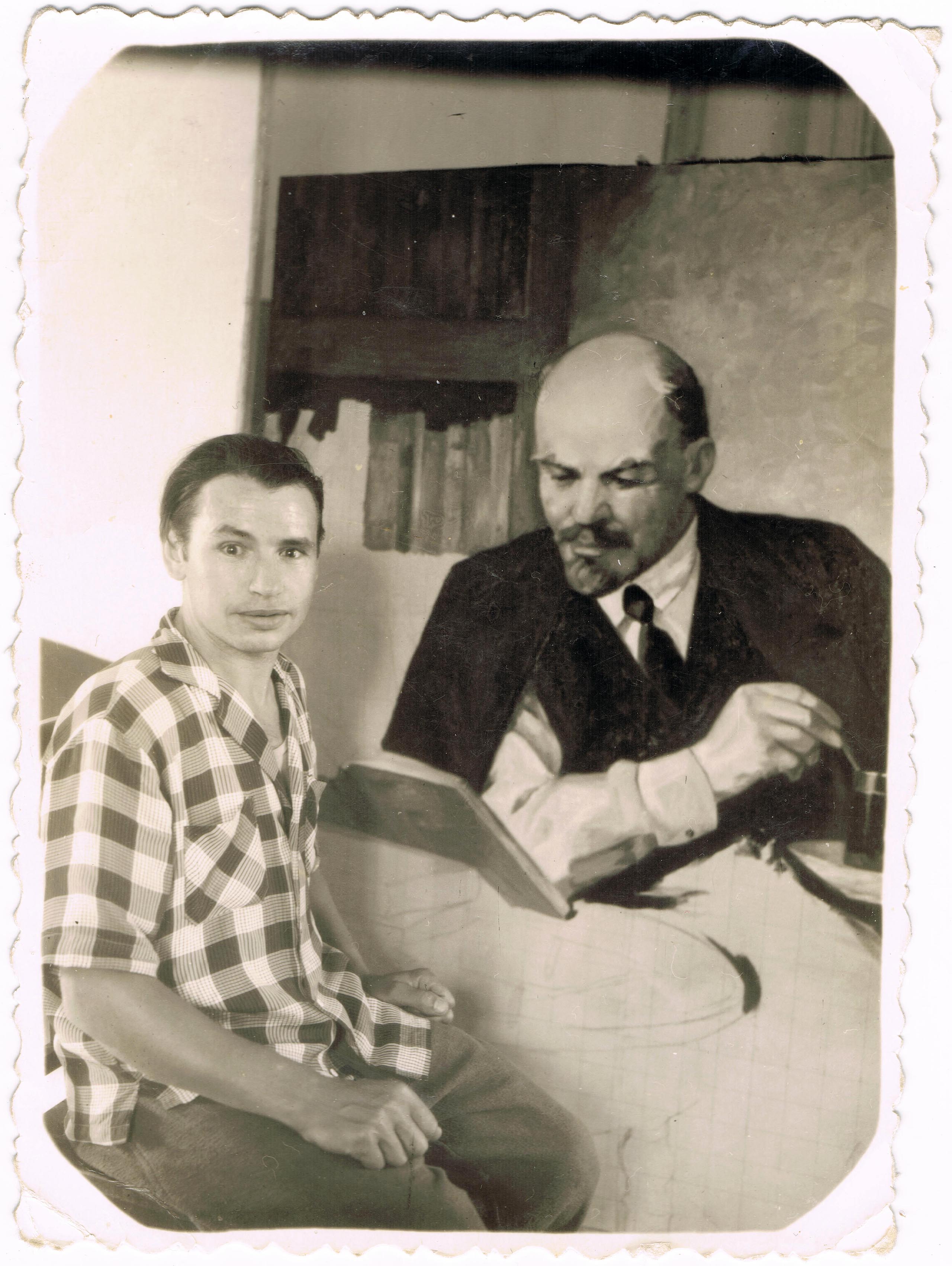
Pavel Pavlovich Skorobogatov, maternal grandfather, sitting next to a portrait of V.I. Lenin. They look like two friends.

Born 25.01.1931 – Died 02.02.1964

He was a cooper by profession.

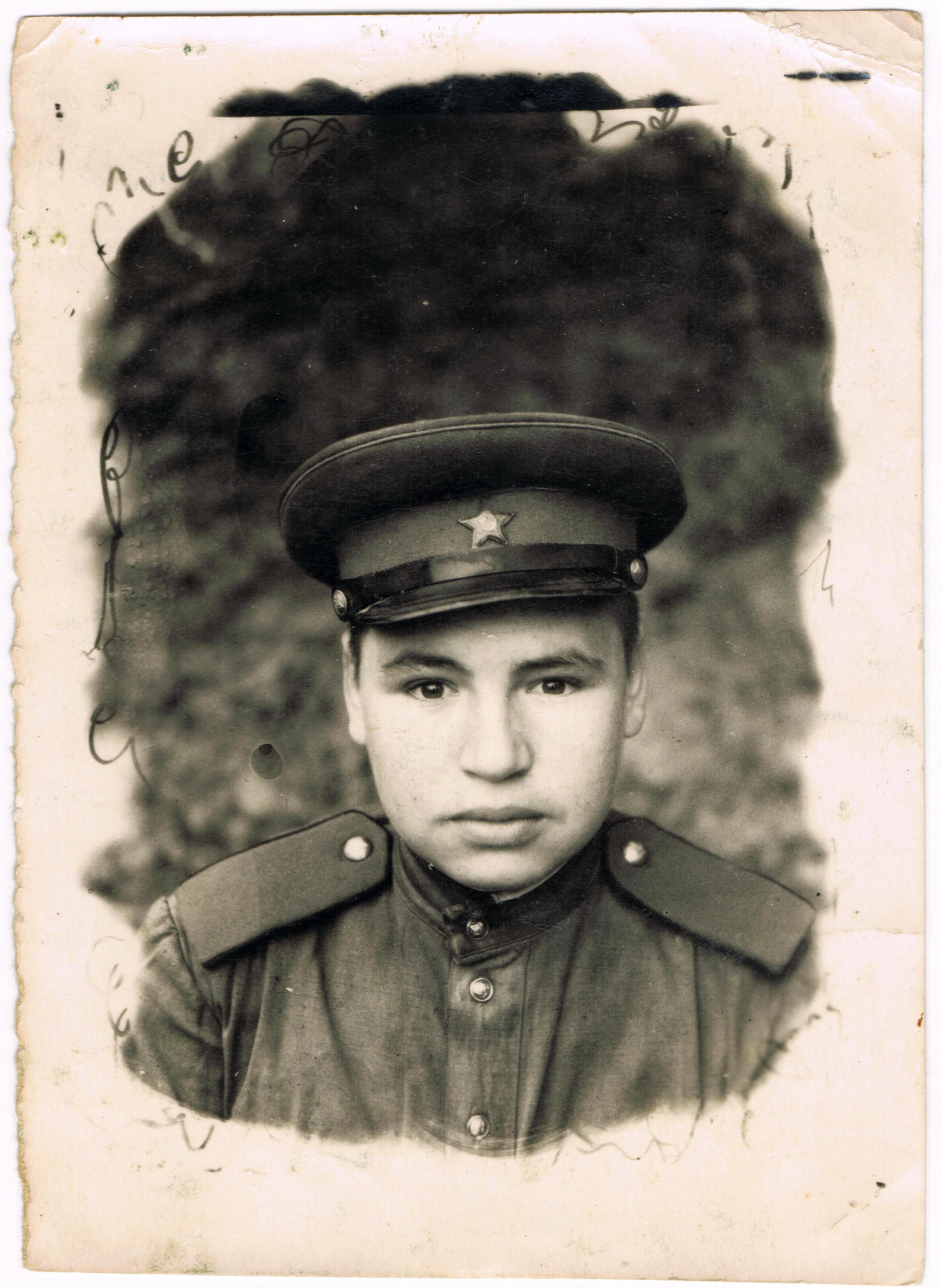
Private P.P. Skorobogatov during his service in Kamchatka in Petropavlovsk-Kamchatsky (1952-54).

He served in Kamchatka.

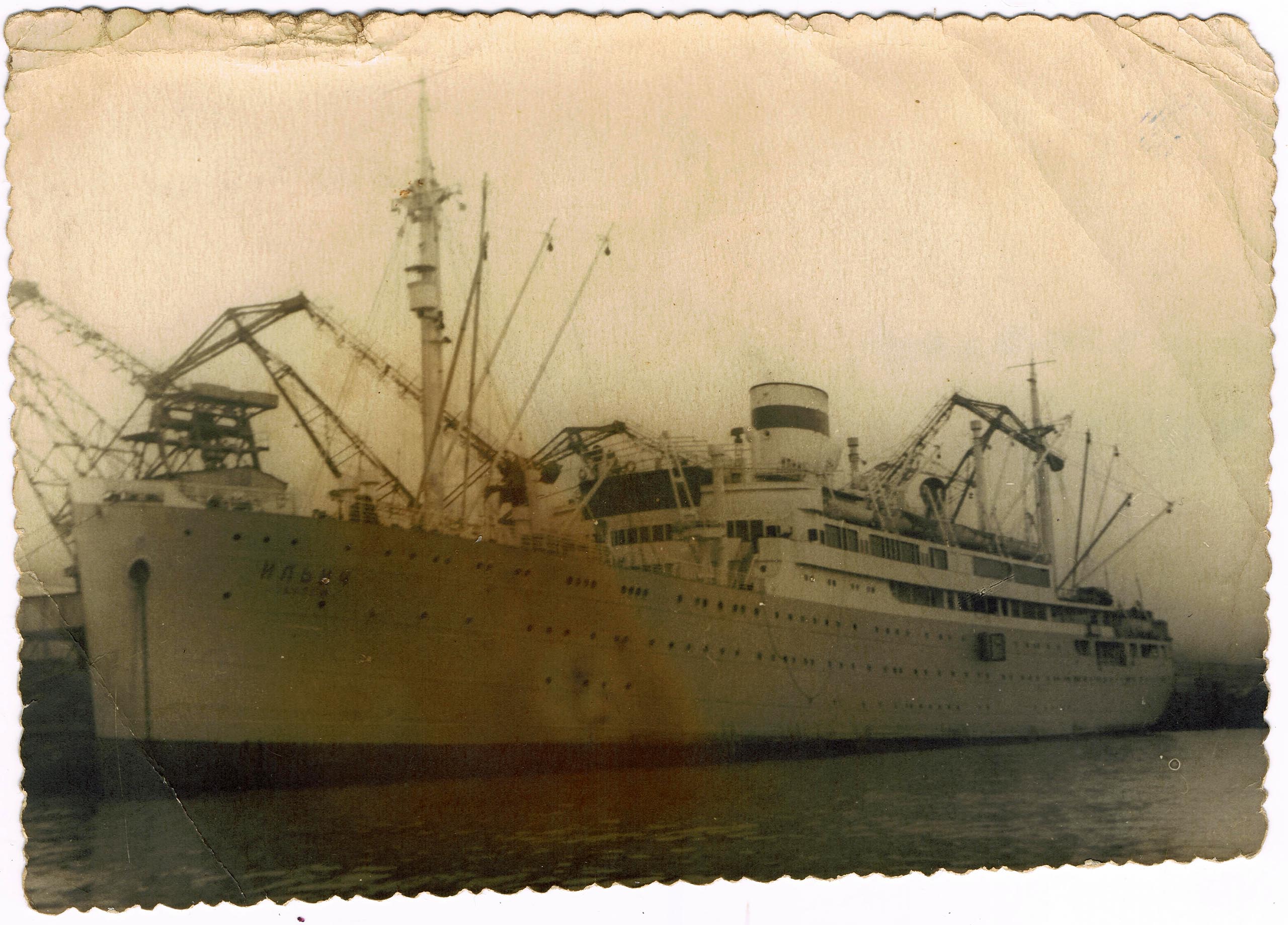
The steamship 'Ilyich', on which grandfather P.P. Skorobogatov returned from his service in Kamchatka. Built in 1933 at the Blohm+Voss shipyard in Hamburg, Germany.

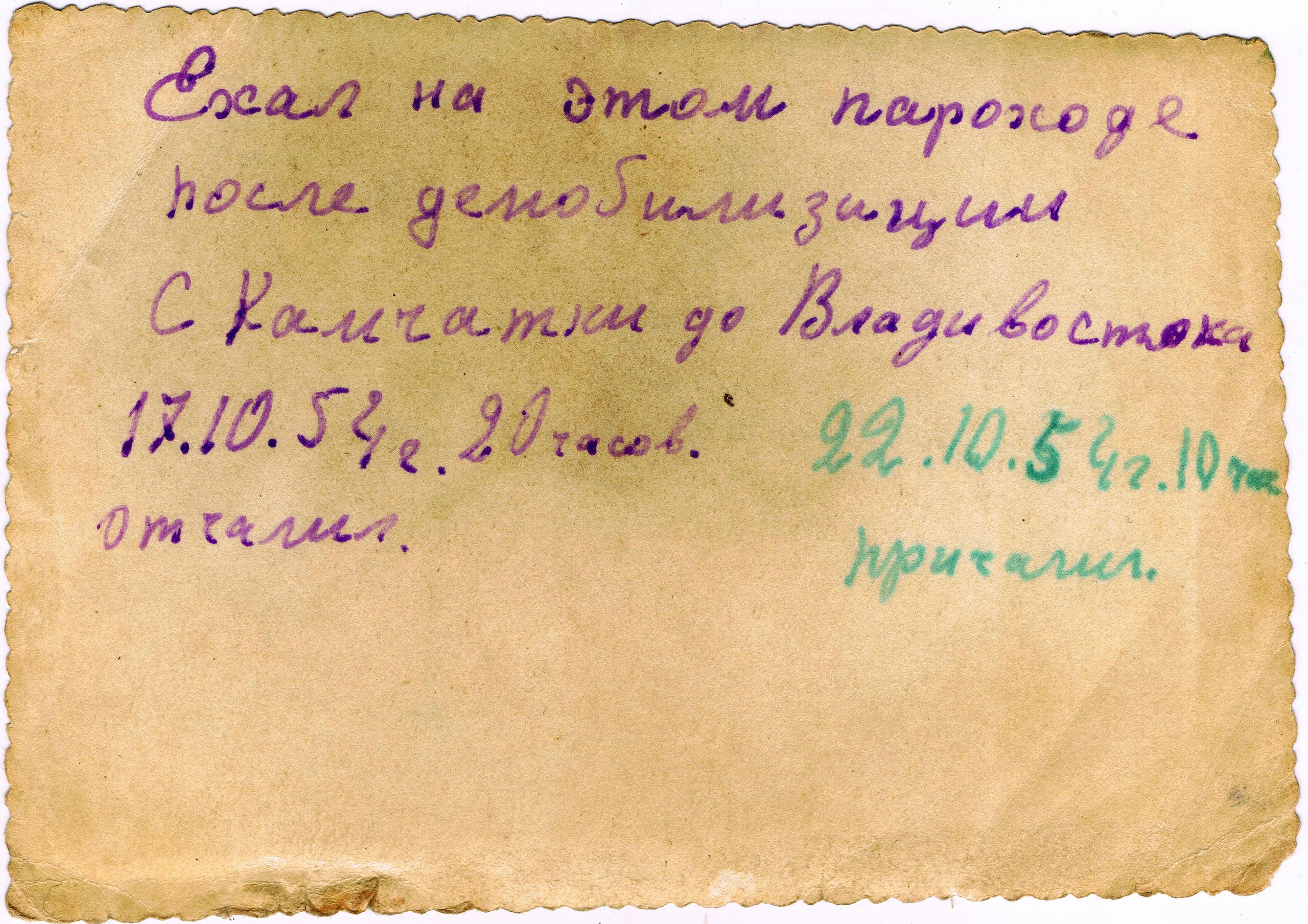
After his demobilization, he sailed on the steamship “Ilyich” from Petropavlovsk-Kamchatsky to Vladivostok. The vessel was built in 1933 at the Blohm+Voss shipyard in Hamburg (Germany); in 1981 it was decommissioned and scrapped.

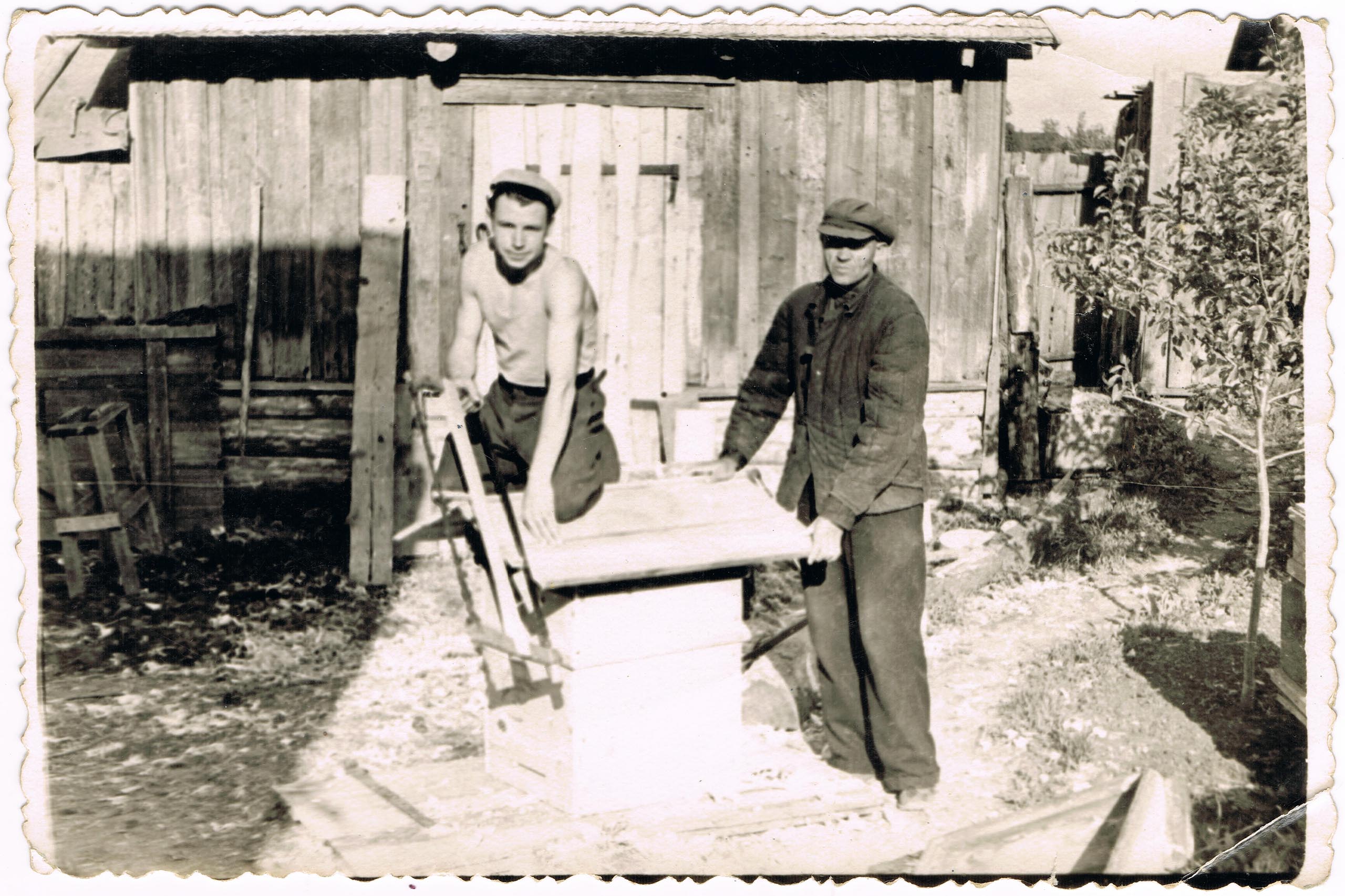
Inscription on the back of the photo: 'Traveled on this steamship after demobilization from Kamchatka to Vladivostok on 17.10.54. Departed at 20:00, arrived on 22.10.54 at 10:00.' Grandfather Pavel Pavlovich with a saw in his hands, with a friend during the construction of his house in Novozybkov, Bryansk region, on Matrosova Lane (formerly Volodarskogo St.).

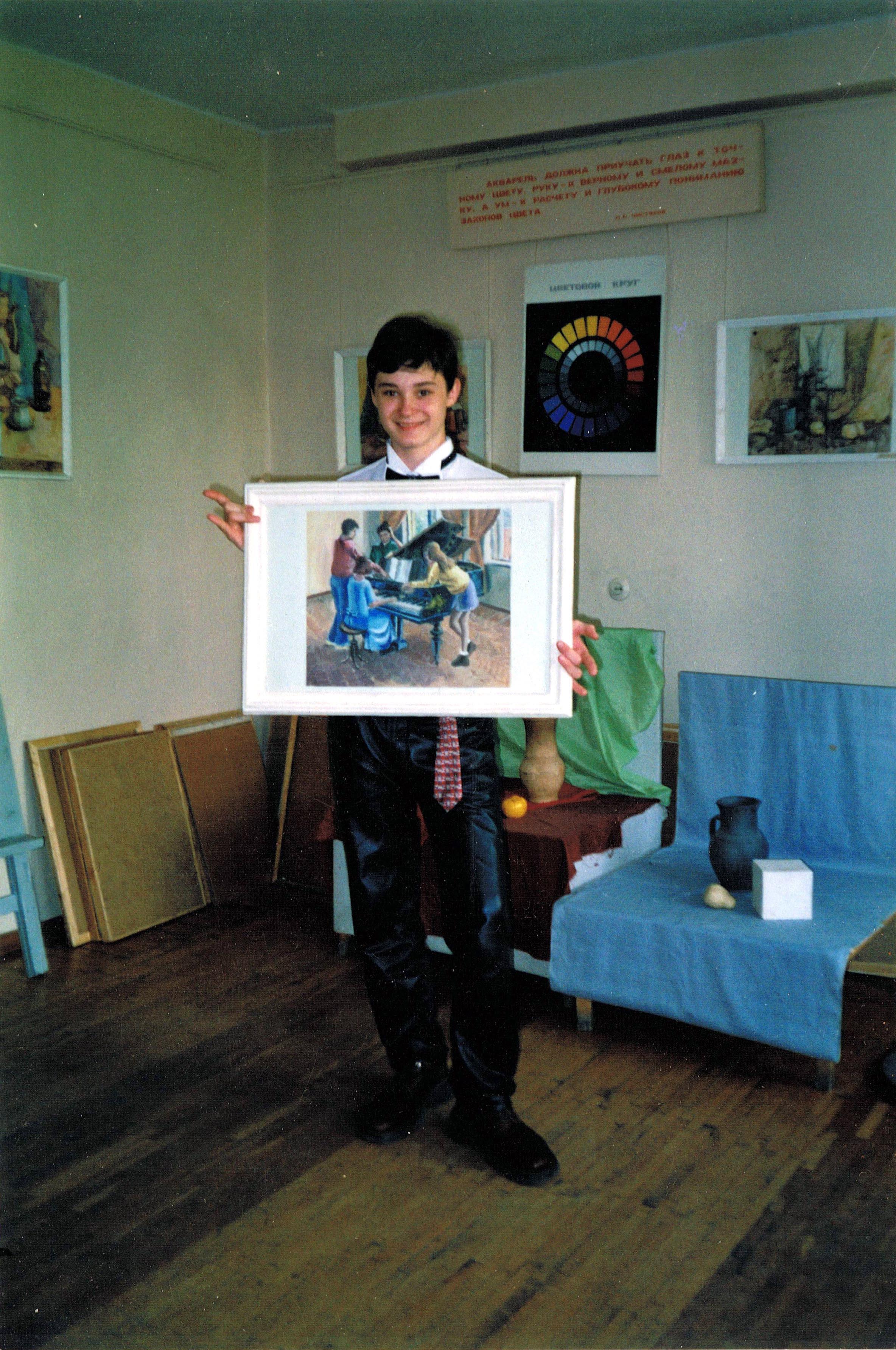
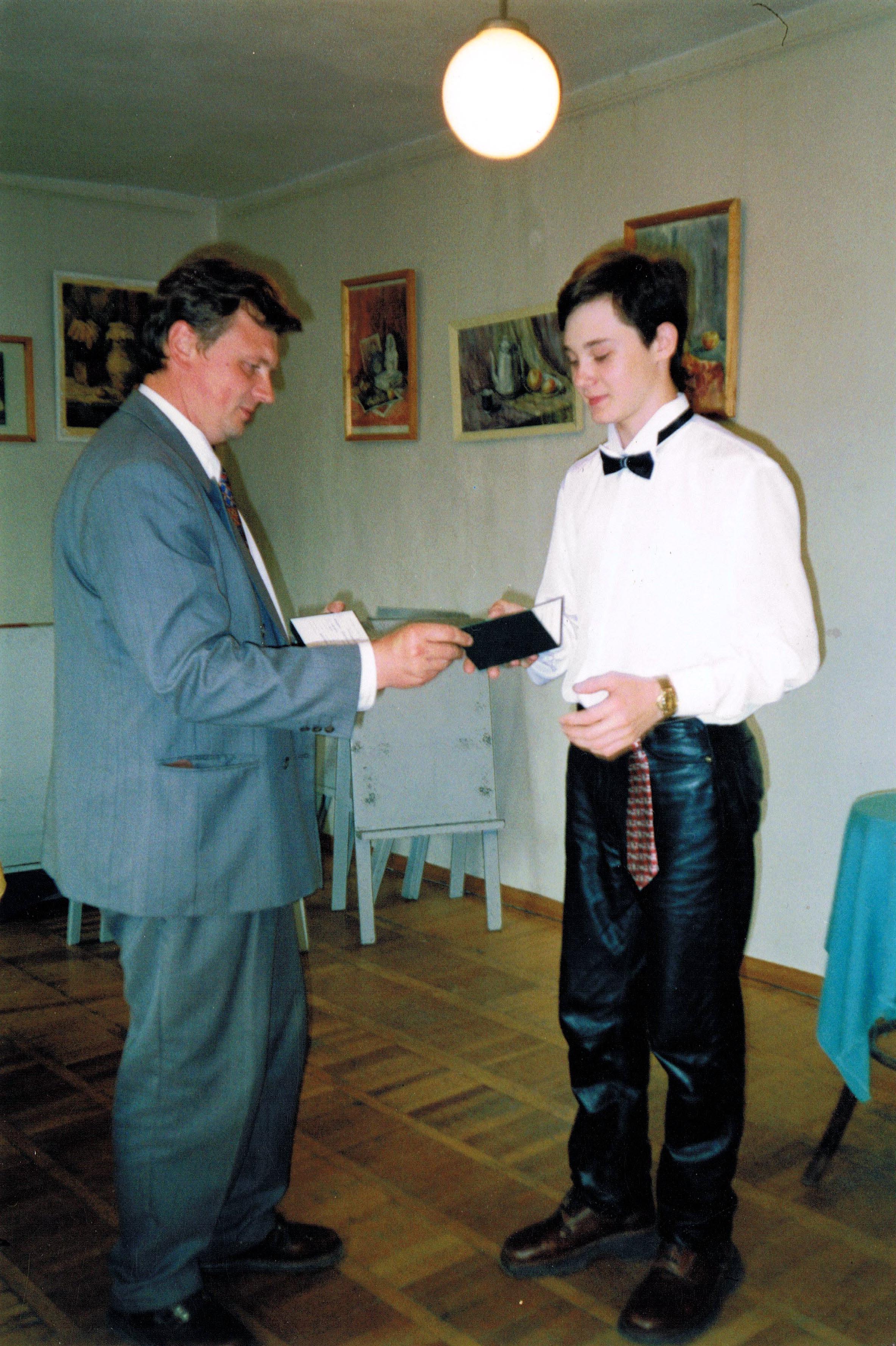
Photographs from the period of the children’s art school

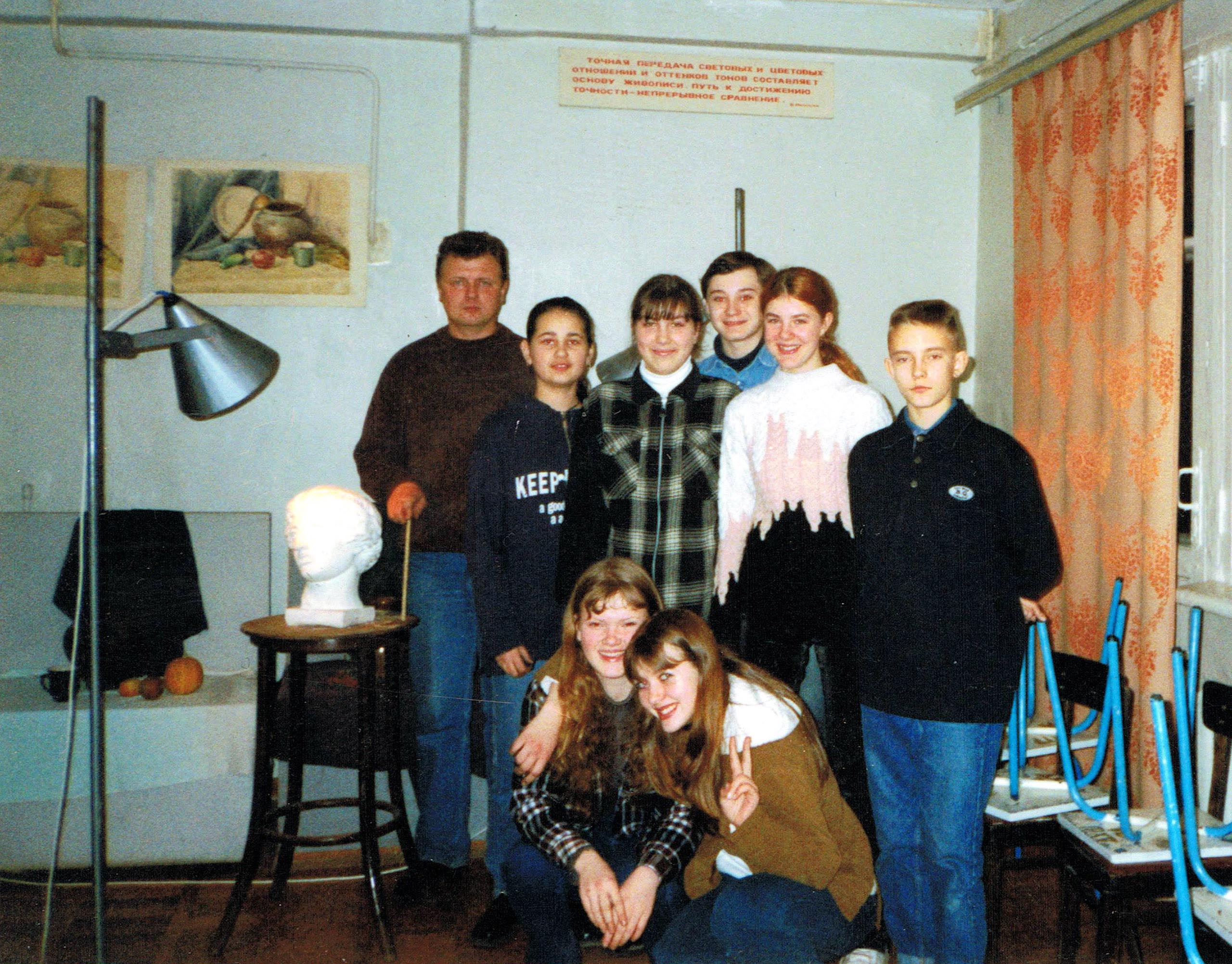
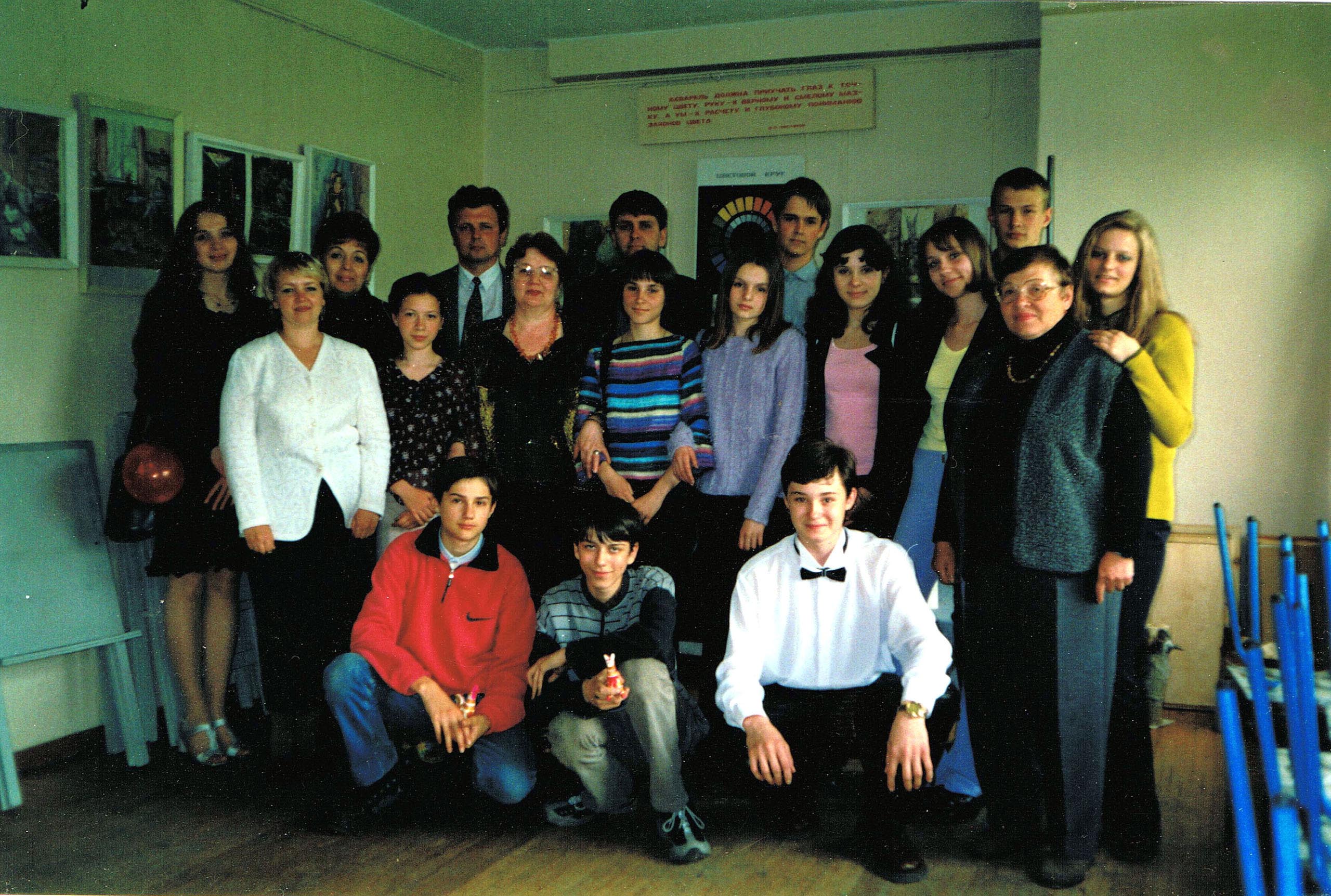
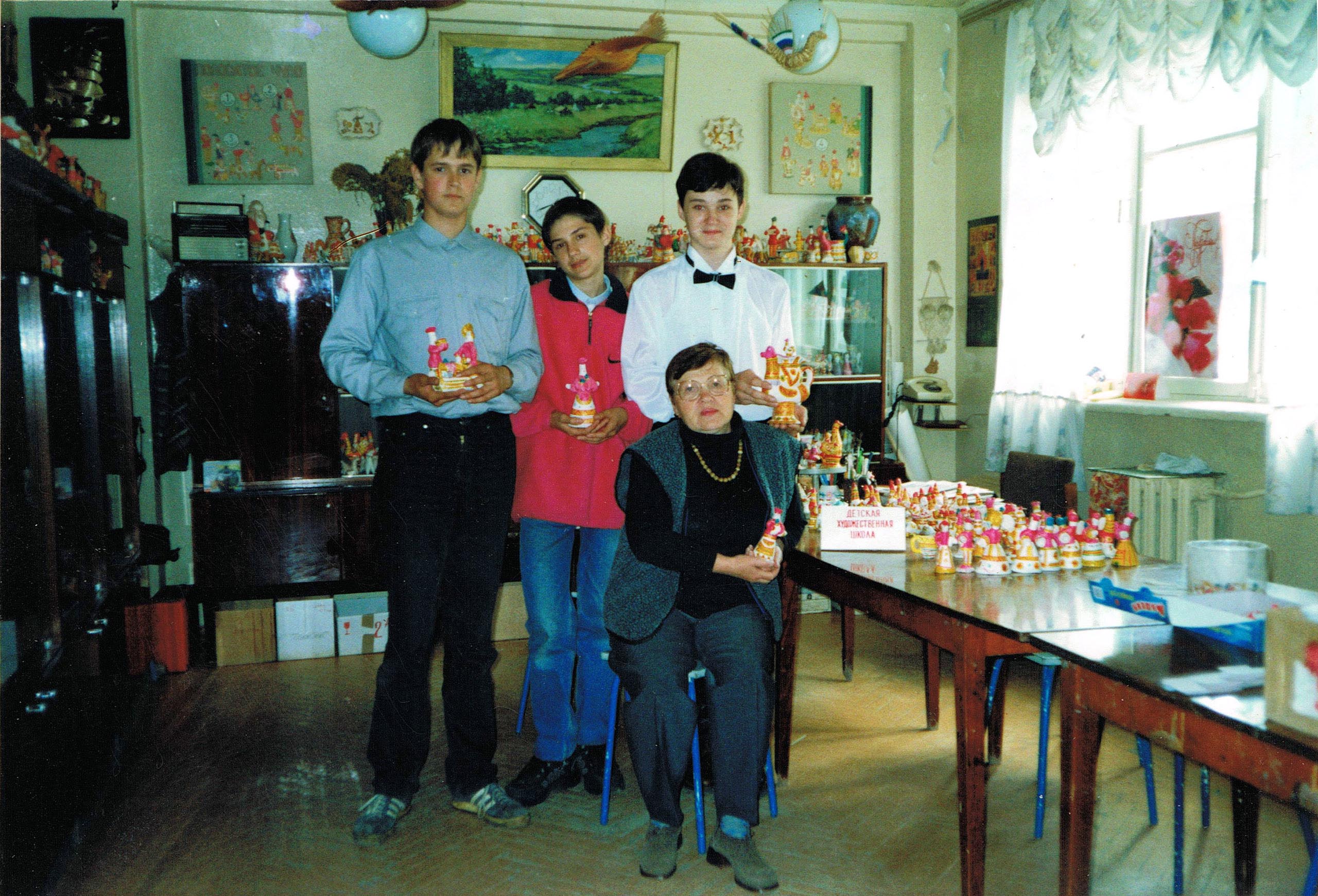
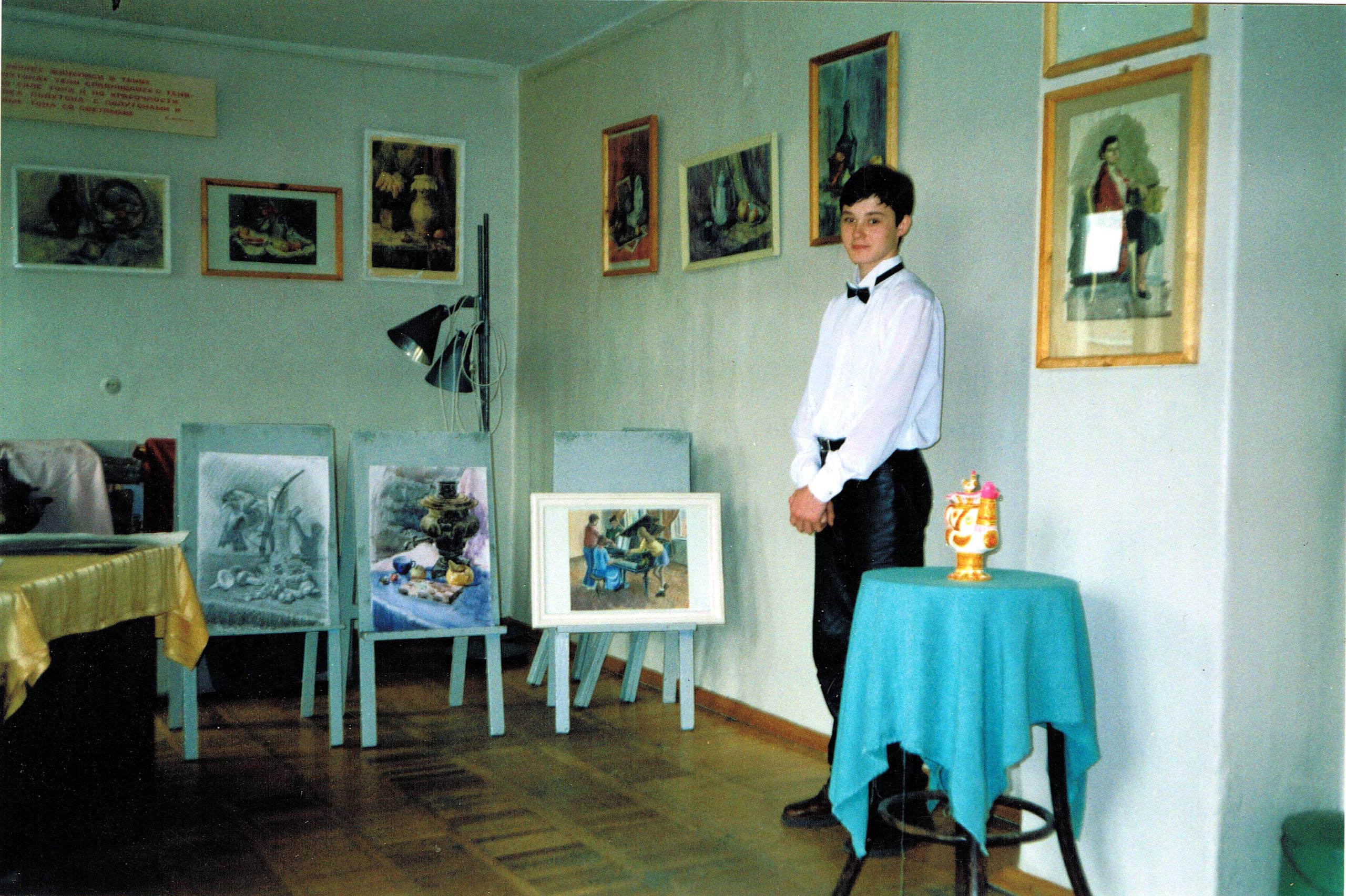
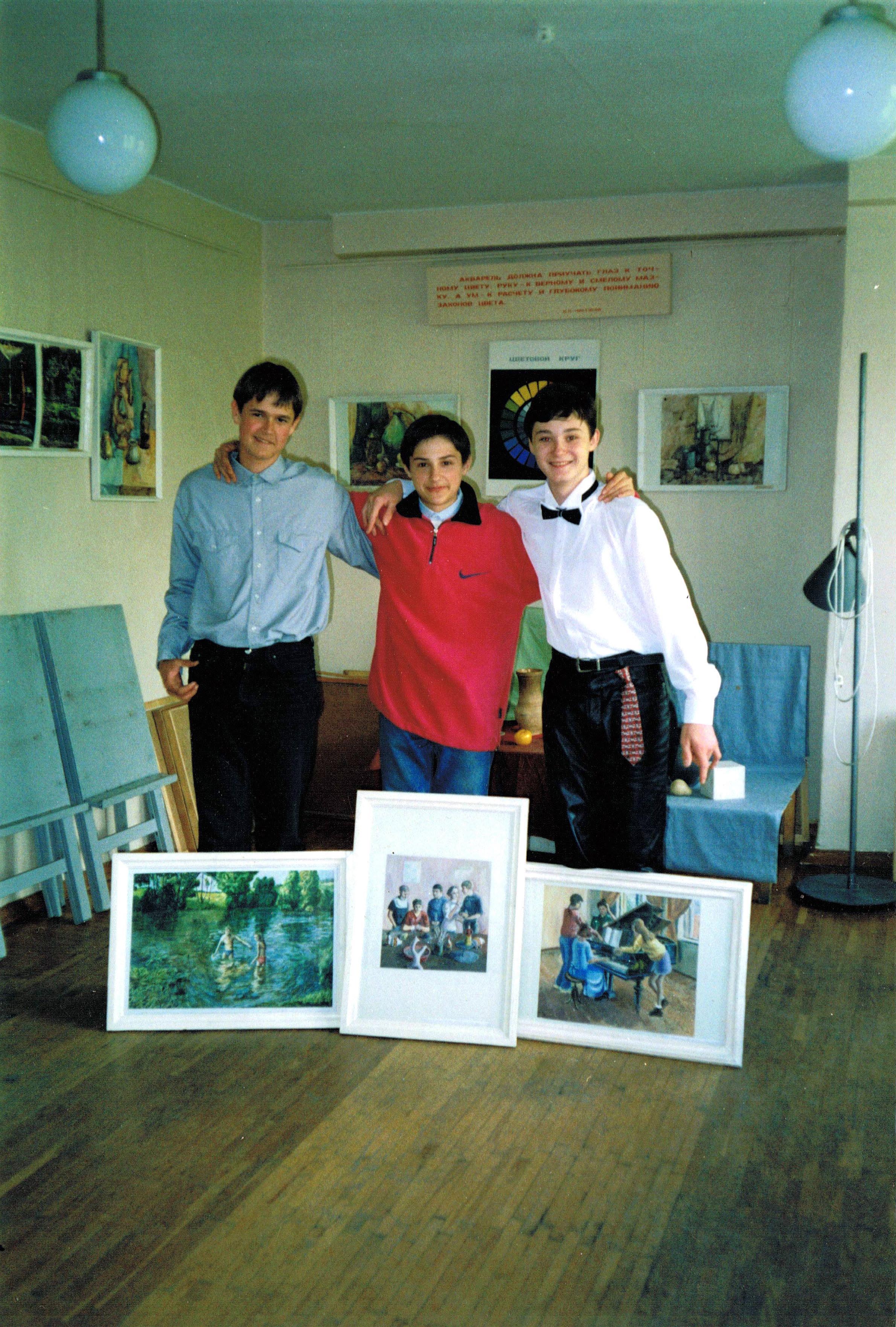
A group of students from the children's art school. On the left, director Sergey Nikolaevich Pingachev. Our graduating class at the children's art school with teachers: Sergey Nikolaevich and Andrey Nikolaevich Pingachev, and Lyudmila Stanislavovna Milyutina. Last day at the art school. Left to right: Mikhail Dronov, Artem Makhanov, Alexander Babel; seated, the teacher of applied composition, L.S. Milyutina. Presentation of the diploma to Alexander Babel. On the easels are the graduation works: drawing, painting, easel composition, and applied composition. Mikhail Dronov, Artem Makhanov, and Alexander Babel with their graduation works in easel composition in the art school classroom. 2001 Alexander Babel in the art school classroom with his graduation work in easel composition. 2001 Art school director Sergey Nikolaevich Pingachev presents the graduation diploma to Alexander Babel. 2001