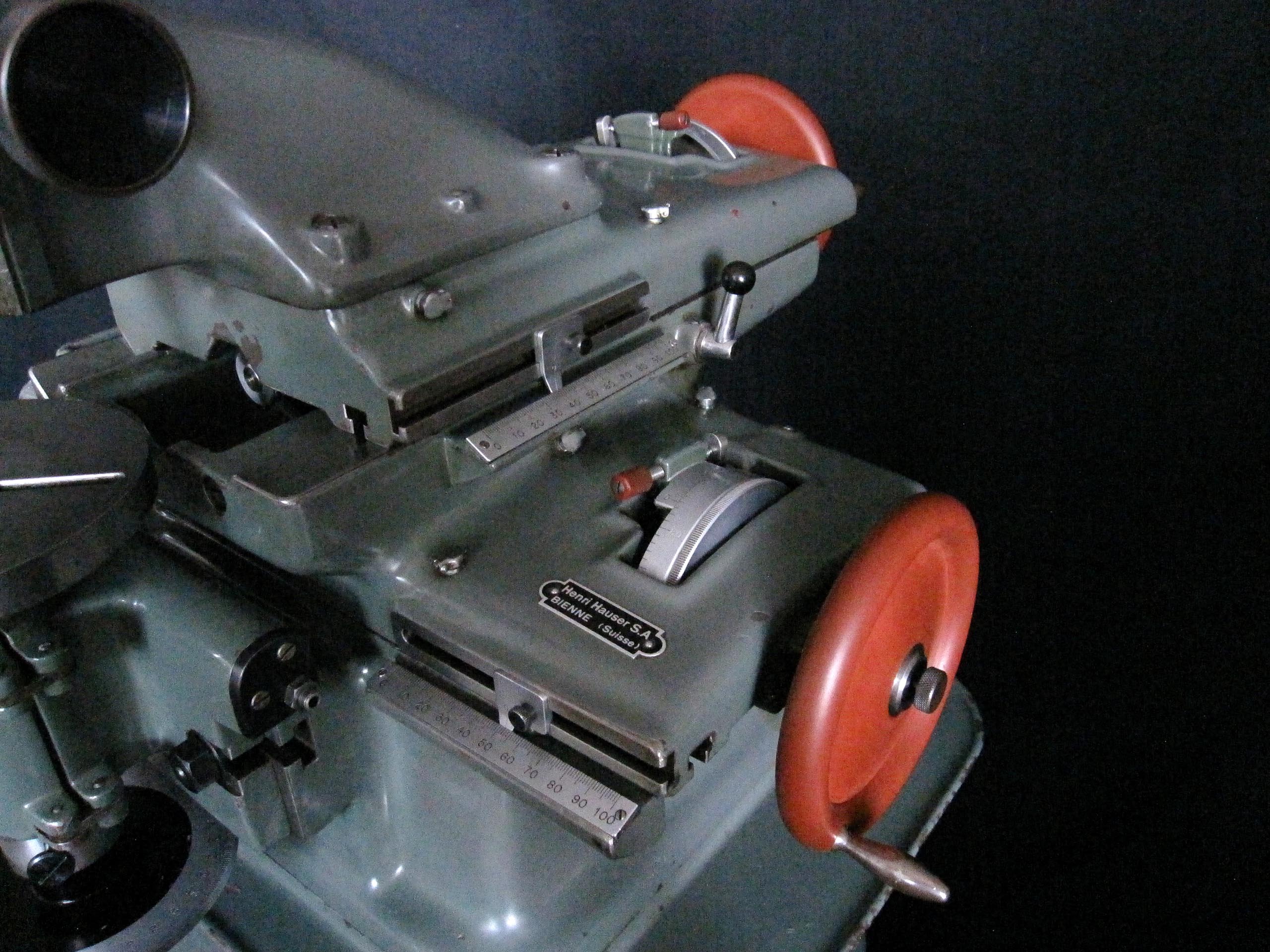
In 1898, Henri Hauser founded a workshop for the manufacture of watchmaking machines and immediately recognized the potential for mechanization in the watch industry.
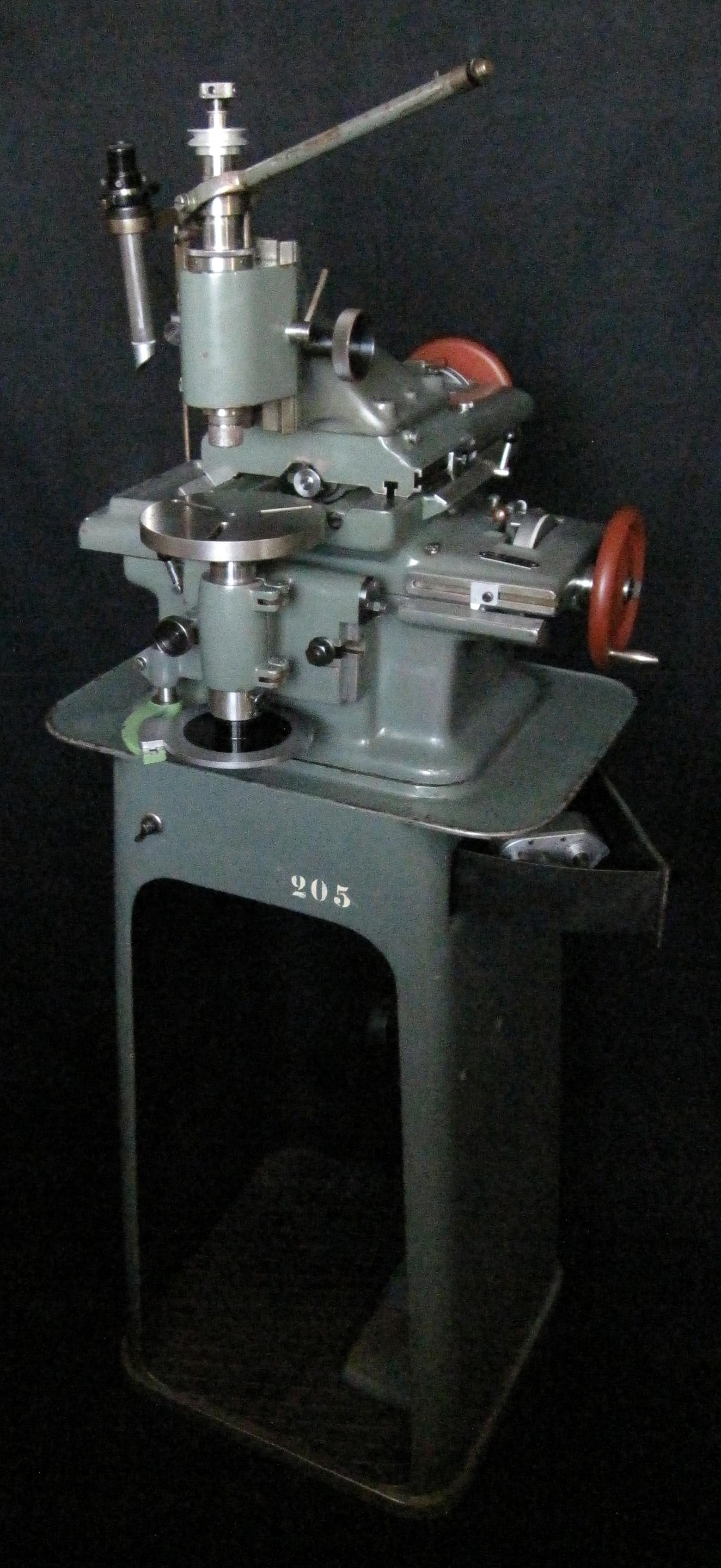
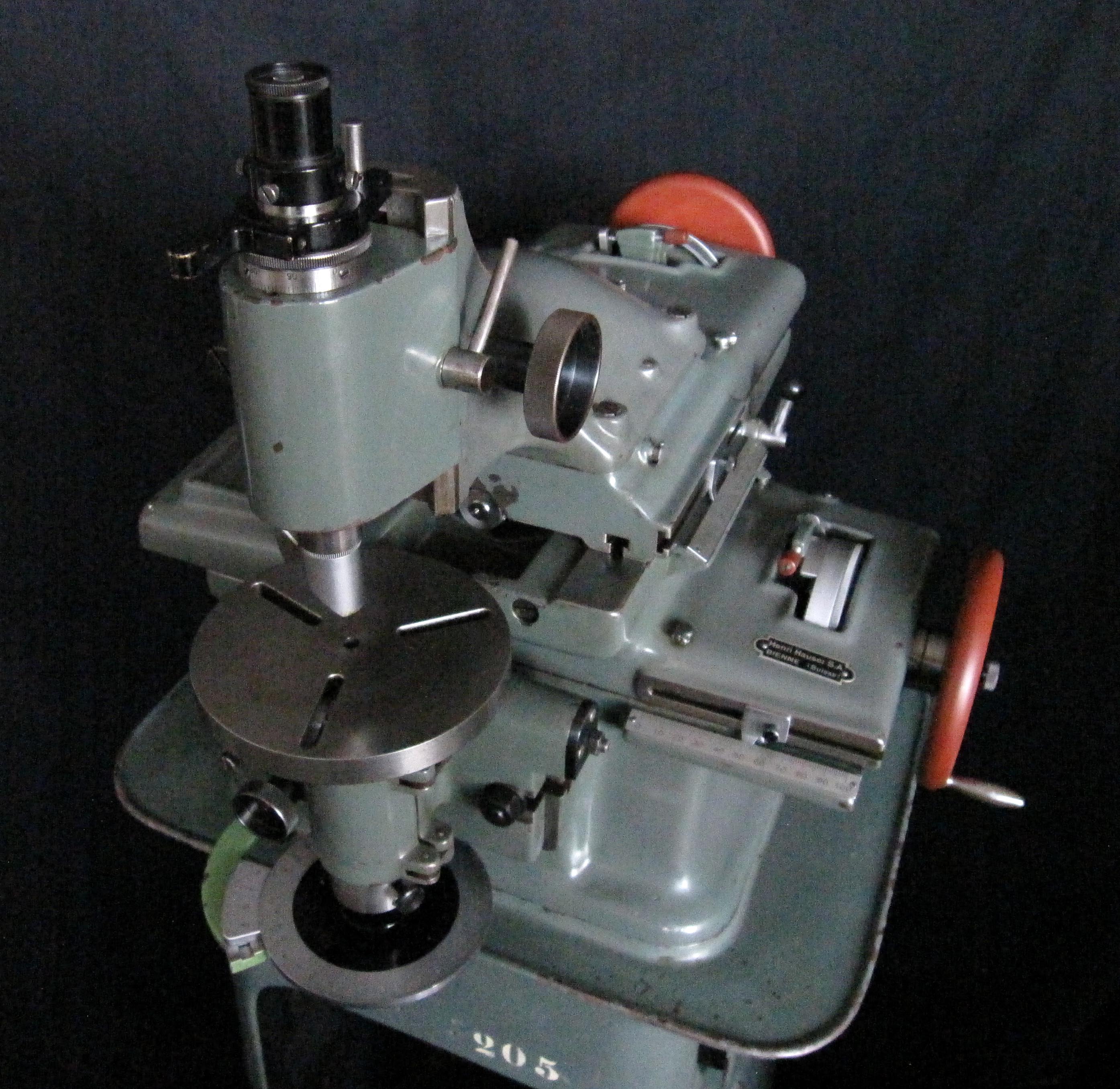
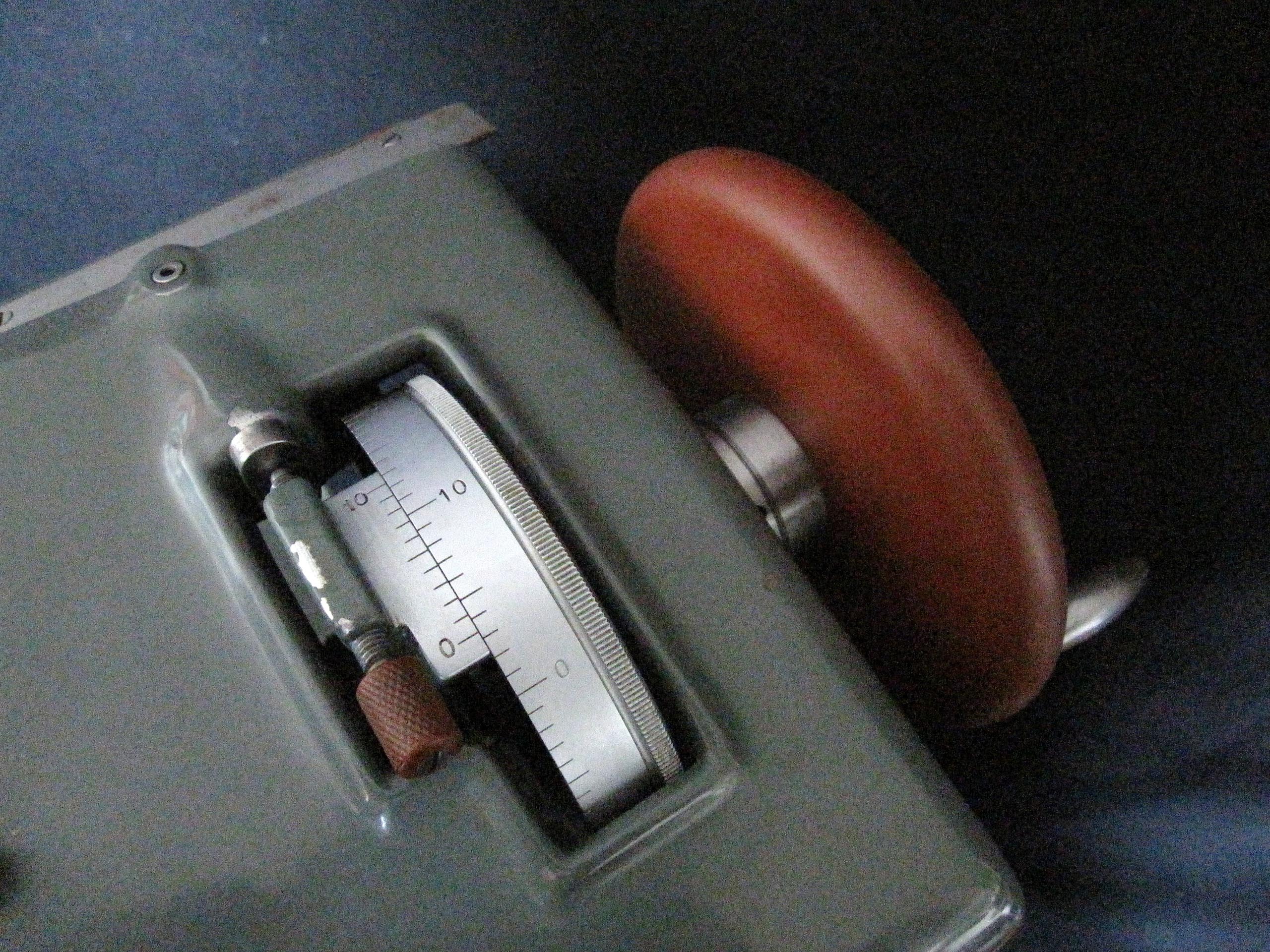
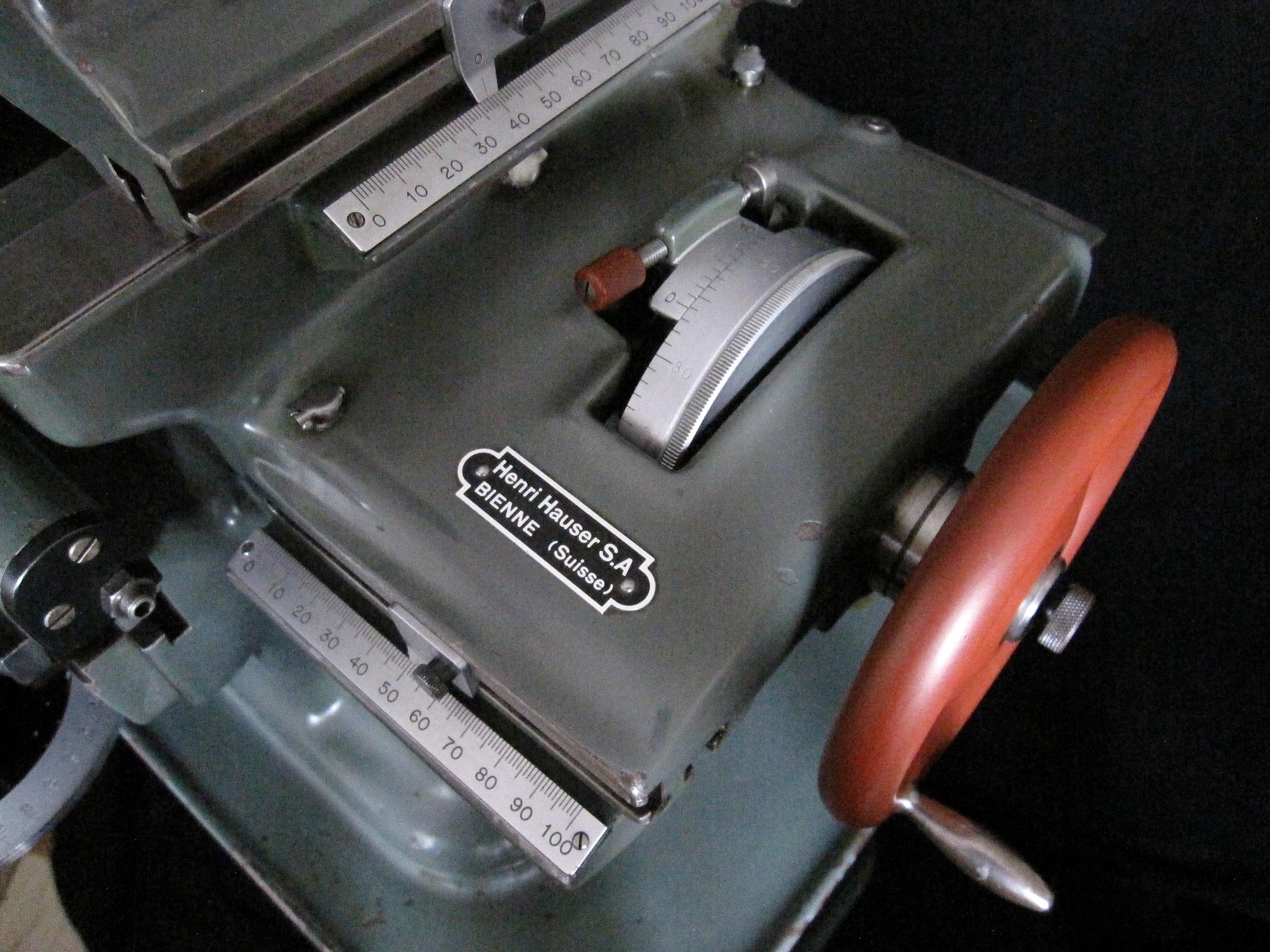
I rely on proven Swiss quality: a Hauser M1 machine from the 1960s–70s. This machine serves as a coordinate machine, measuring microscope, and drilling machine.
Its construction is extremely stable, allowing for fine milling work to be carried out on it.
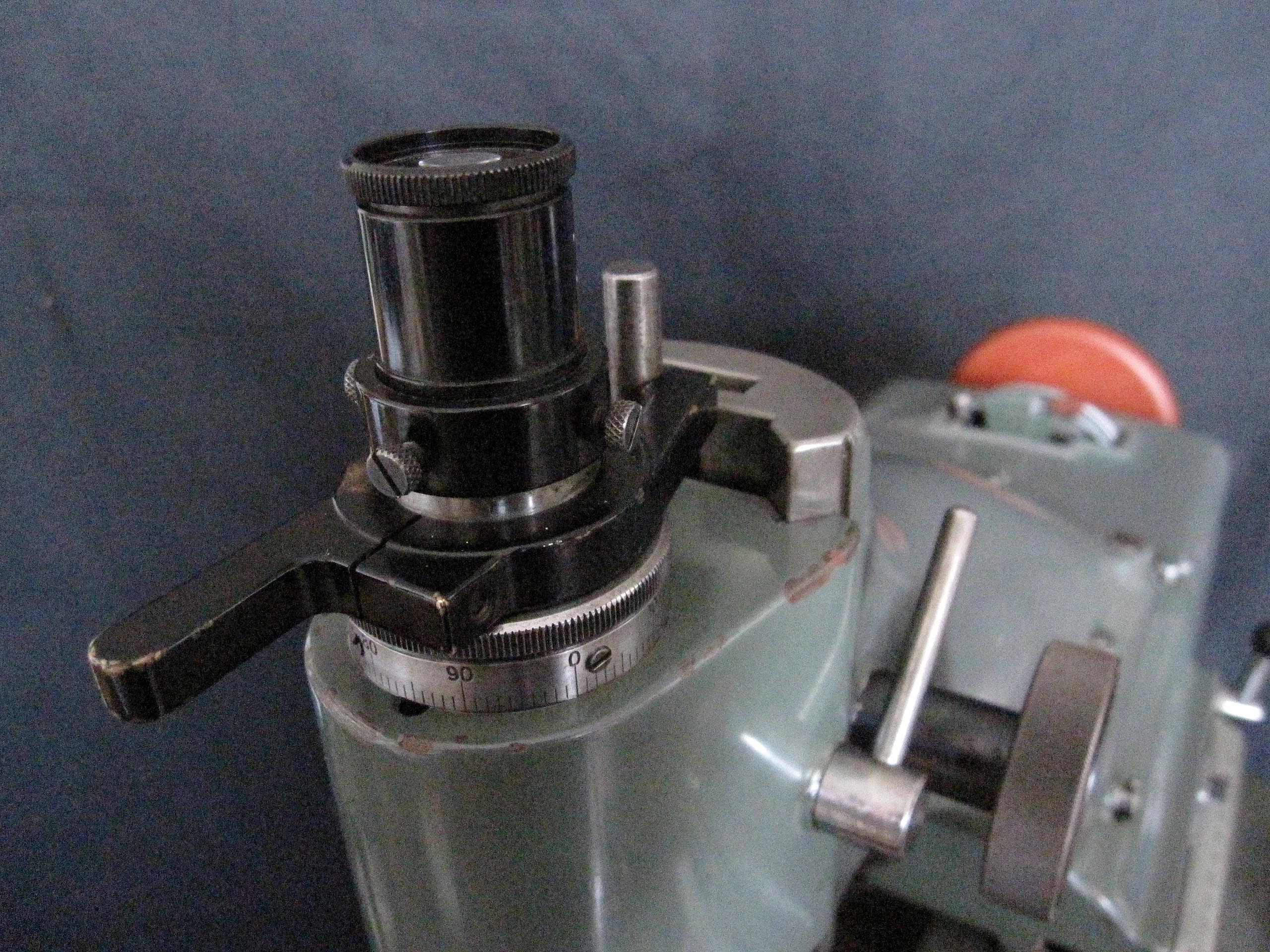
The Hauser M1 is equipped with a round rotary table, a 35x magnification microscope, a center punch, and a drilling spindle.
It accepts B8 watchmaker collets. Despite its compact design, this machine offers an accuracy of up to 0.001 mm.
Technical Data of the Hauser Machine, Type M1:
Working Ranges:
Longitudinal travel (X-axis) 100 mm
Cross travel (Y-axis) 100 mm
Vertical travel (Z-axis) 40 mm
Distance between table and spindle 90 mm
Drilling Spindle:
Max. drilling diameter in steel 4 mm
Max. drilling diameter in cast iron 5 mm
Drilling spindle stroke (Z-axis) 40 mm
Max. reaming diameter 12 mm
Chuck type B-8
Collet clamping Ø 8 mm
Spindle Speed:
From 250 rpm to 2700 rpm
Dimensions:
Length 600 mm
Width 600 mm
Height 1400 mm
Machine weight approx. 120 kg
Equipment:
Round rotary table Ø 135 mm
Microscope 35x
Center punch
Interesting
Istvanplatz in front of the Victor Dietel apartment building in Greiz — a Istvan Sky memorial project.
Repair and restoration of bracket clock with a verge escapement, is activated by a fusee (snail) and chain.
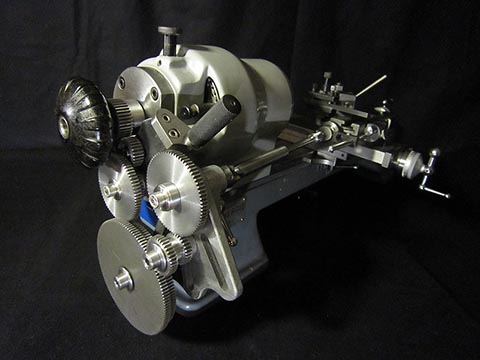
Threading attachment for Schaublin 70 handmade 2016 by Alexander Babel.
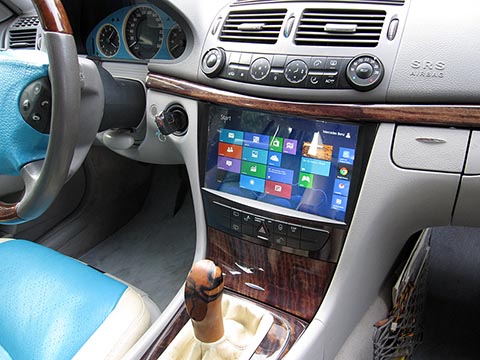
Car-PC for Mercedes Е Klasse W211. Designed and manufactured 2014
Contact
Alexander Babel is autodidakt as designer, engineer, precision mechanic, toolmaker, watchmaker and goldsmith.