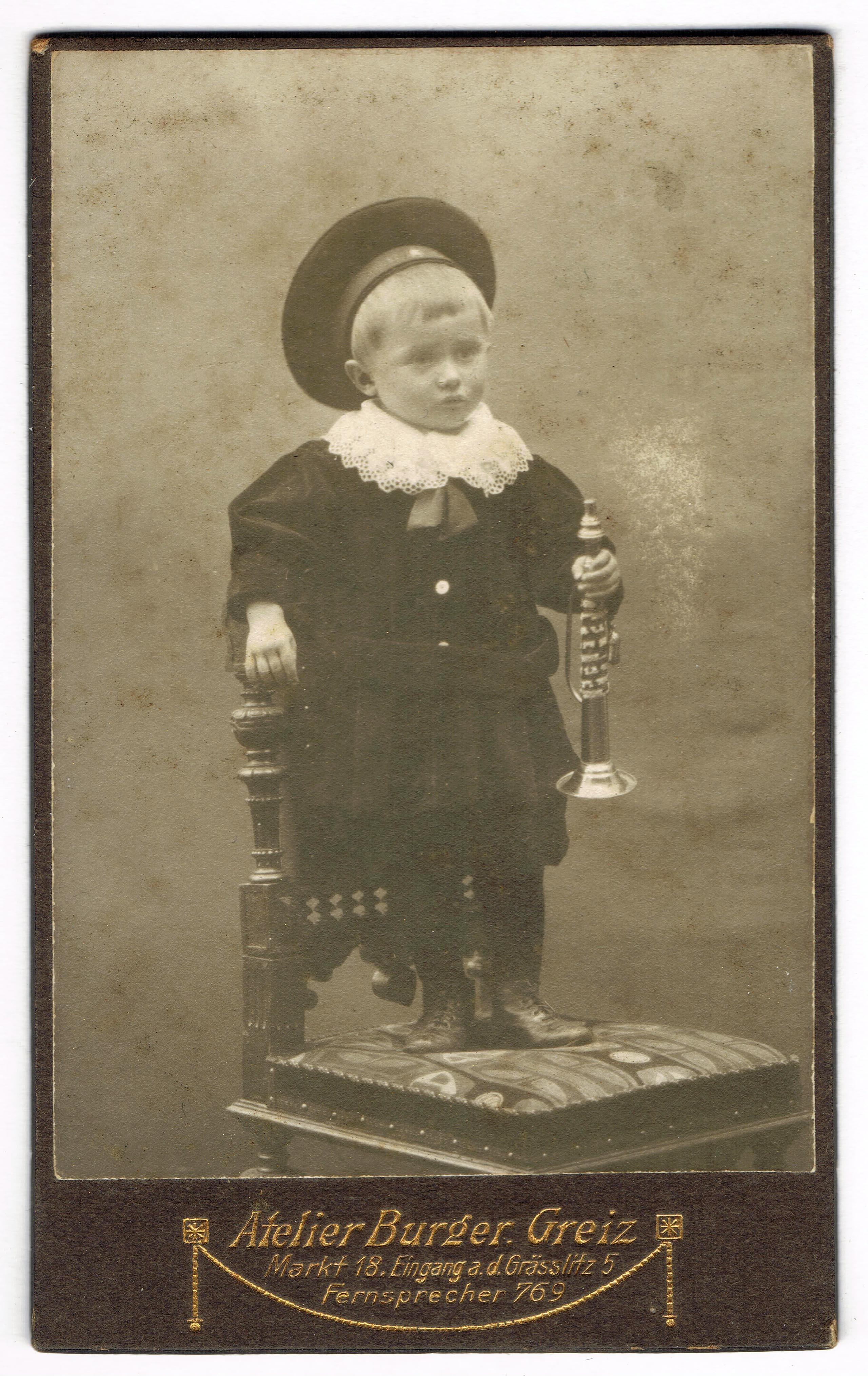
The Family of Victor Dietel
Victor Dietel was married to Wilhelmine. They lived in house No. 35 (possibly inherited by Victor from his parents). They had two sons, Max and Werner. Victor died sometime between 1908 and 1910.
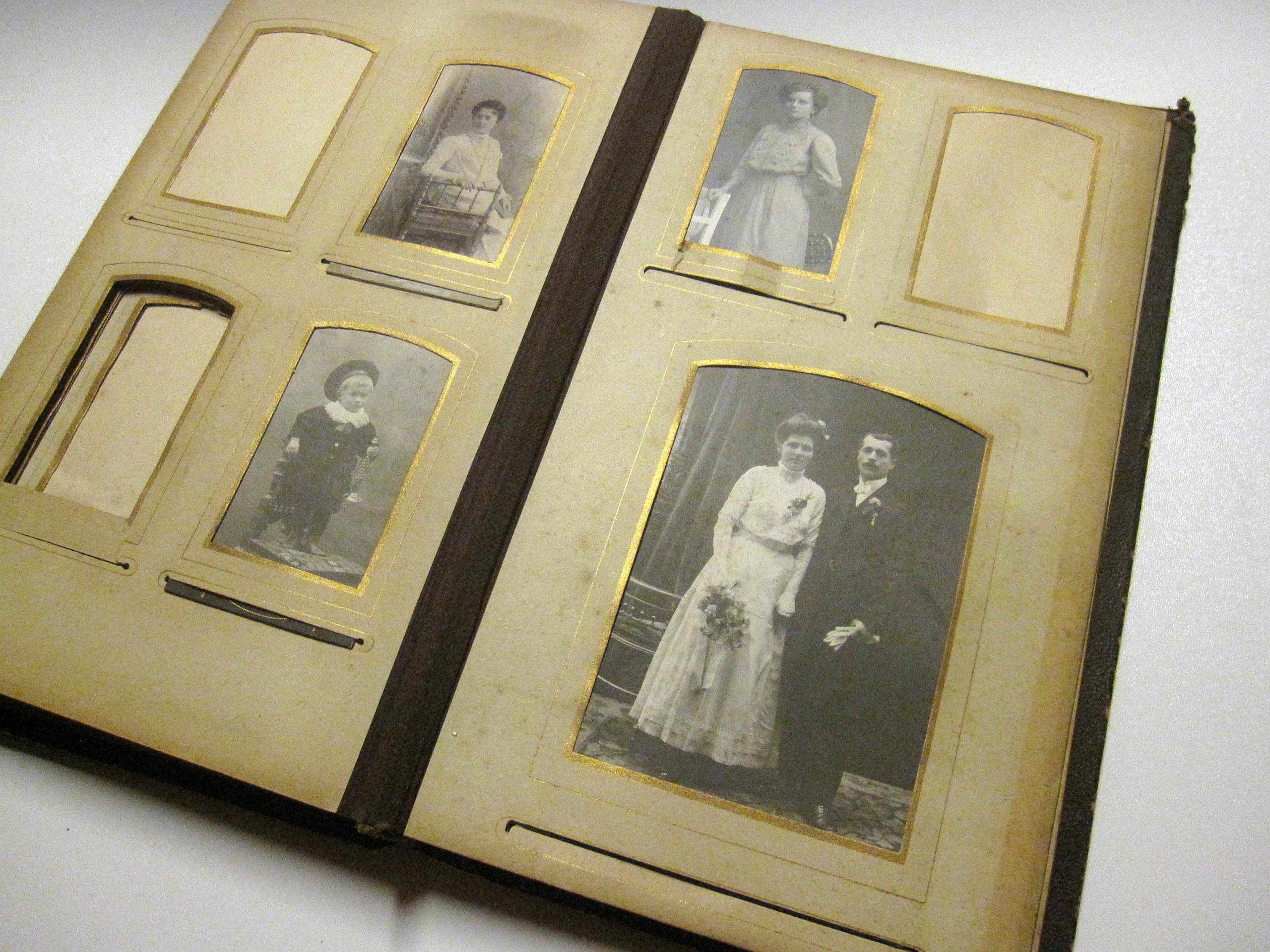
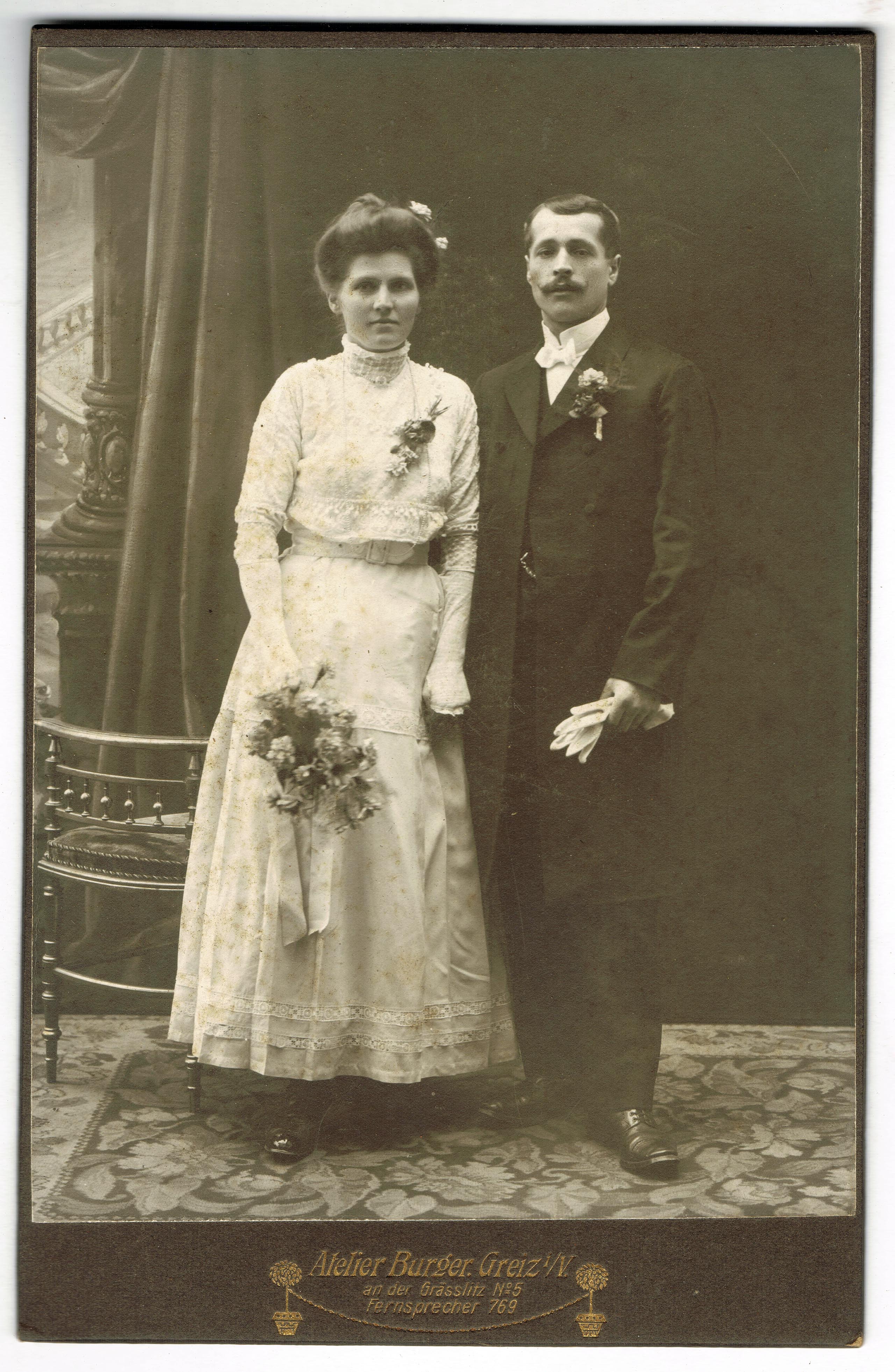
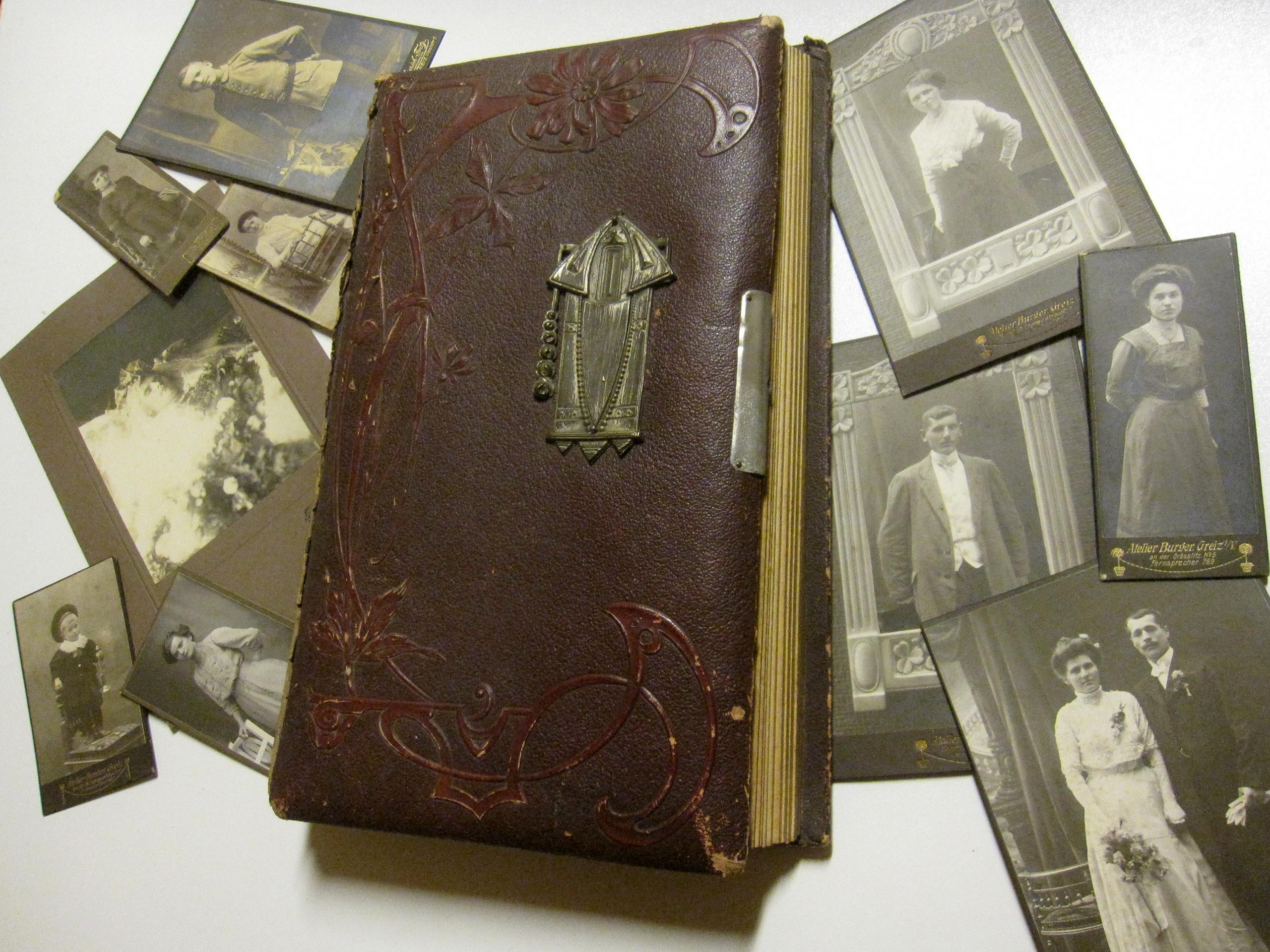
Victor Dietel (18 December 1833 – c.1910) built this tenement house and was its first owner. By profession he was a textile finisher (appreteer), a specialist who treated fabrics with substances that gave them stiffness, dimensional stability, crease resistance, fire resistance, and other properties. After the 1890s, address books listed Victor as a private citizen (a person living on income provided by his own enterprise). Victor Dietel lived at a time when the town of Greiz was the residence of the princely House of Reuss (elder line, Reuß, Heinrich XXII, died 1902), a small but economically successful and prosperous state within Germany.
Victor Dietel was married to Wilhelmine. They lived in house No. 35 (possibly inherited by Victor from his parents). They had two sons, Max and Werner. Victor died sometime between 1908 and 1910.
Max Dietel (1867–1938), a factory owner, was married to Clara Minna, née Koch. They had one son, Fritz Max Victor August (born 20 February 1908), a graduate merchant. On 29 September 1938 Max died, and because his company Max Dietel was in debt, the villa (Papiermühlenweg 7) and other property were auctioned. Max’s son Fritz was killed on 16 August 1941 on the Eastern Front during the Second World War as a private soldier. Clara Minna later moved to Leipzig.
Ernst Werner Dietel (7 September 1869 – 9 March 1950) was married to Anna Meta, née Schaller (8 June 1878 – 9 June 1928). They lived in his father's tenement house. Around 1930–1934 Werner moved to Irchwitz 1b. He was a manufacturer and merchant, professionally a textile weaving technician.
In the cemetery records there is an entry dated 21 October 1910 stating that Werner Dietel purchased a family crypt at the new cemetery for a period of 99 years. Buried there are his wife Anna Meta Dietel (8 June 1878 – 9 June 1928) and Werner Dietel (7 September 1869 – 9 March 1950).
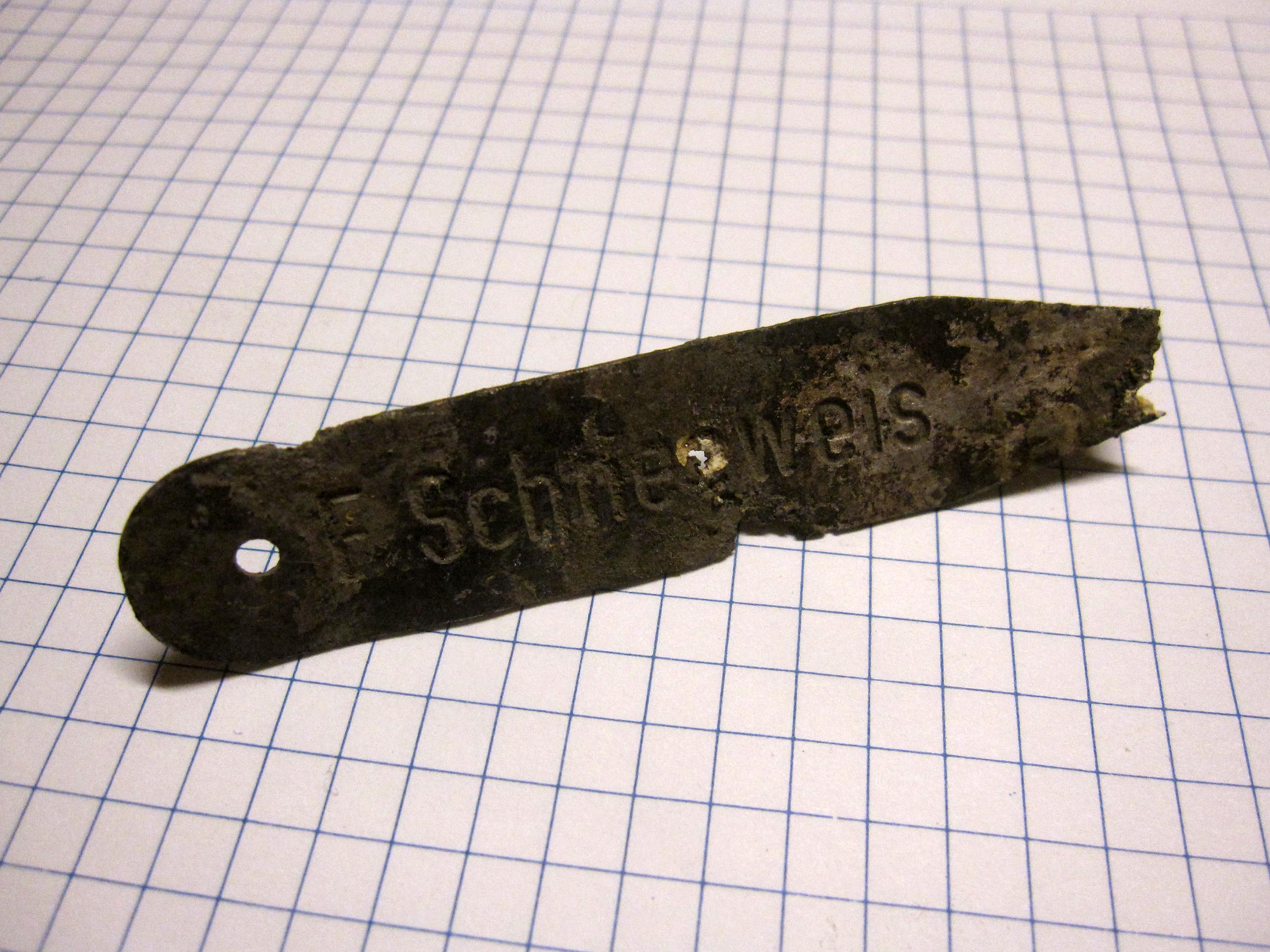
Emma Schneeweiß was the wife of Otto Schneeweiß, who owned the house in the 1920s–1940s. The tag bears the inscription “E. Schneeweis.” It is not just an aluminum plate; it is connected with a very interesting aspect of everyday life in the past century. One hundred years ago this object was very common among housewives. Its purpose was the following: women prepared dough at home, and since they did not have ovens, they brought the dough to special bakeries. Such personal name tags were needed there because many people used this service. The tag was inserted with its pointed end into the dough before it was placed in the oven. In this way any confusion about whose baked goods belonged to whom was avoided.
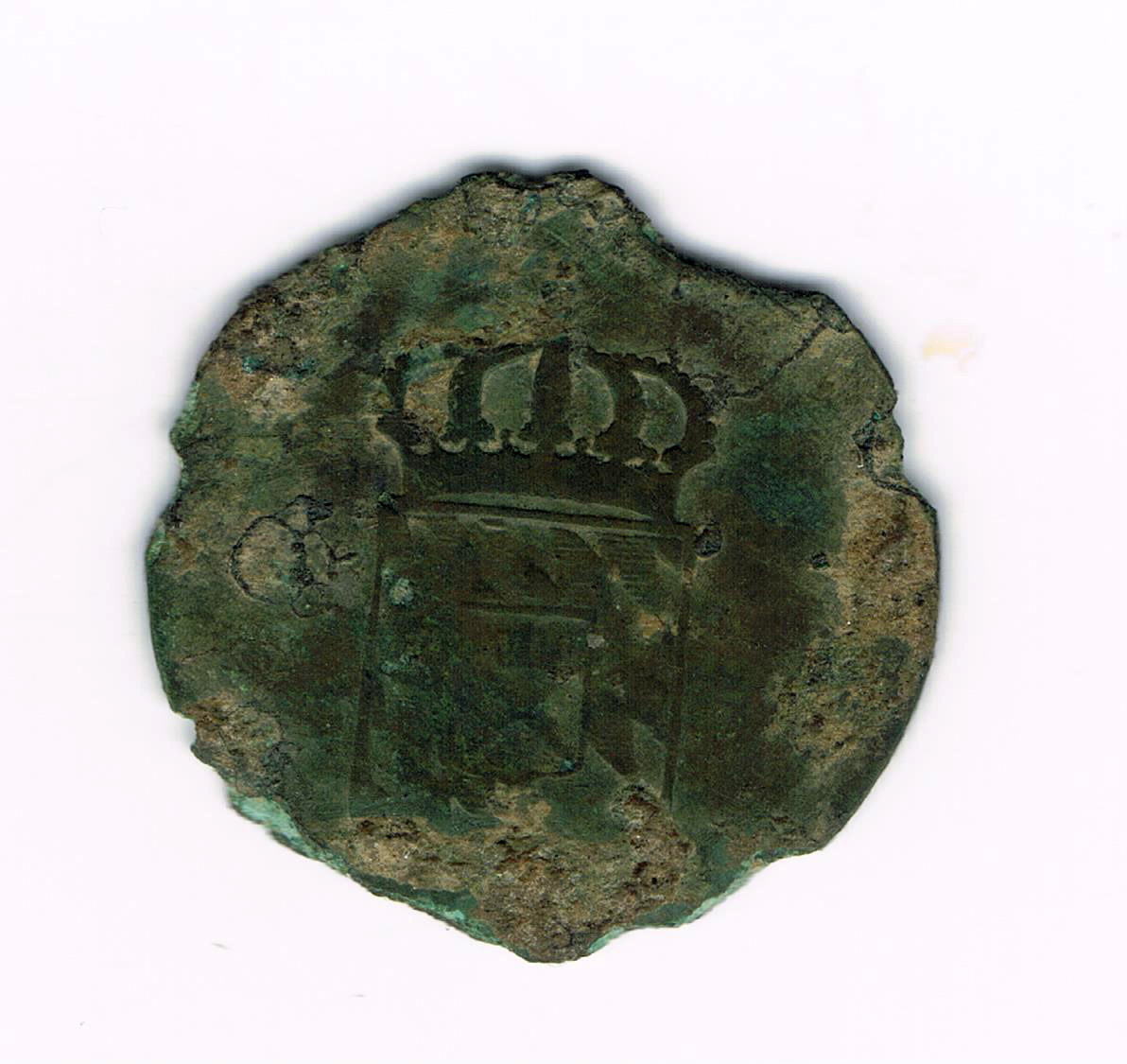
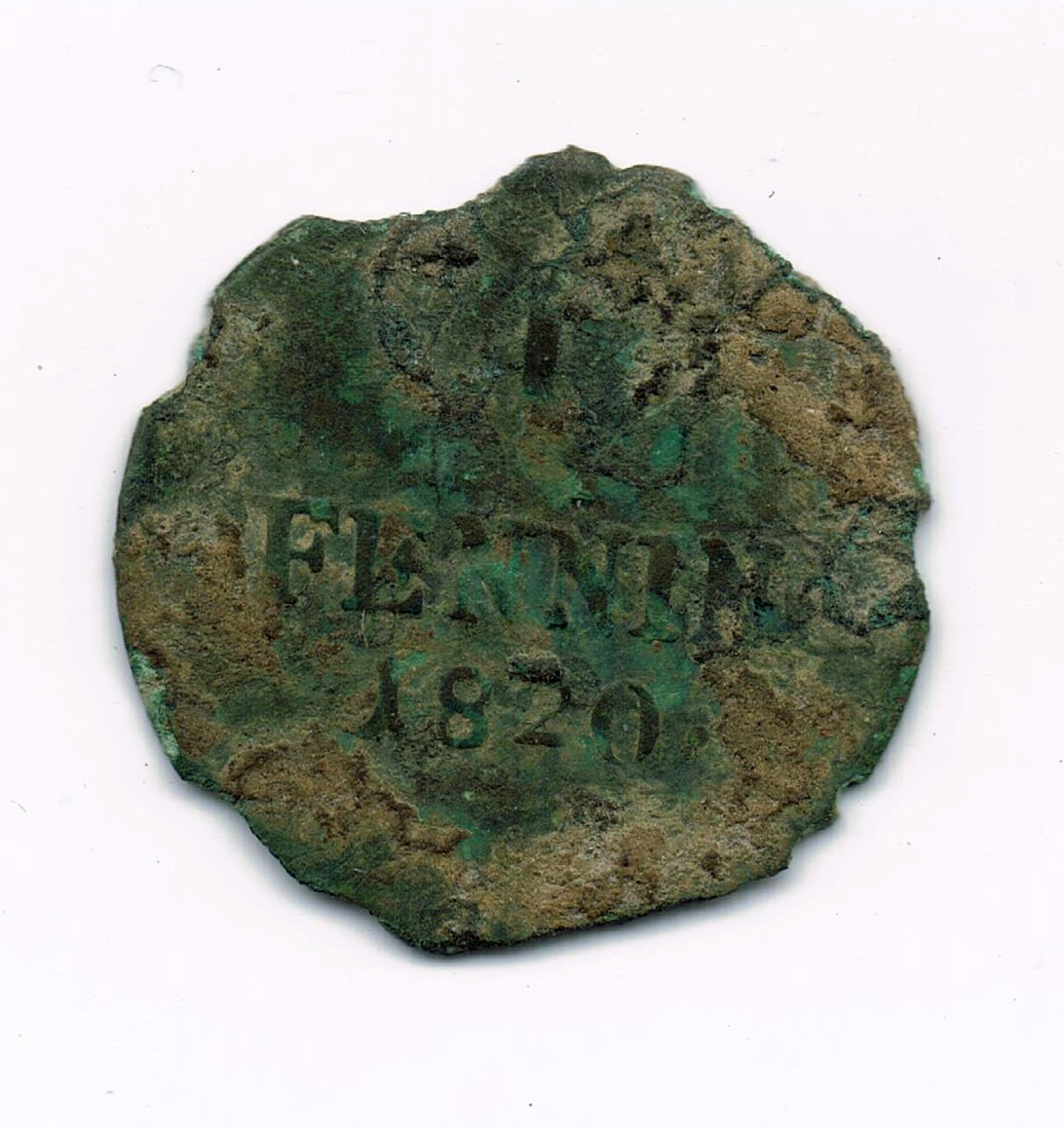
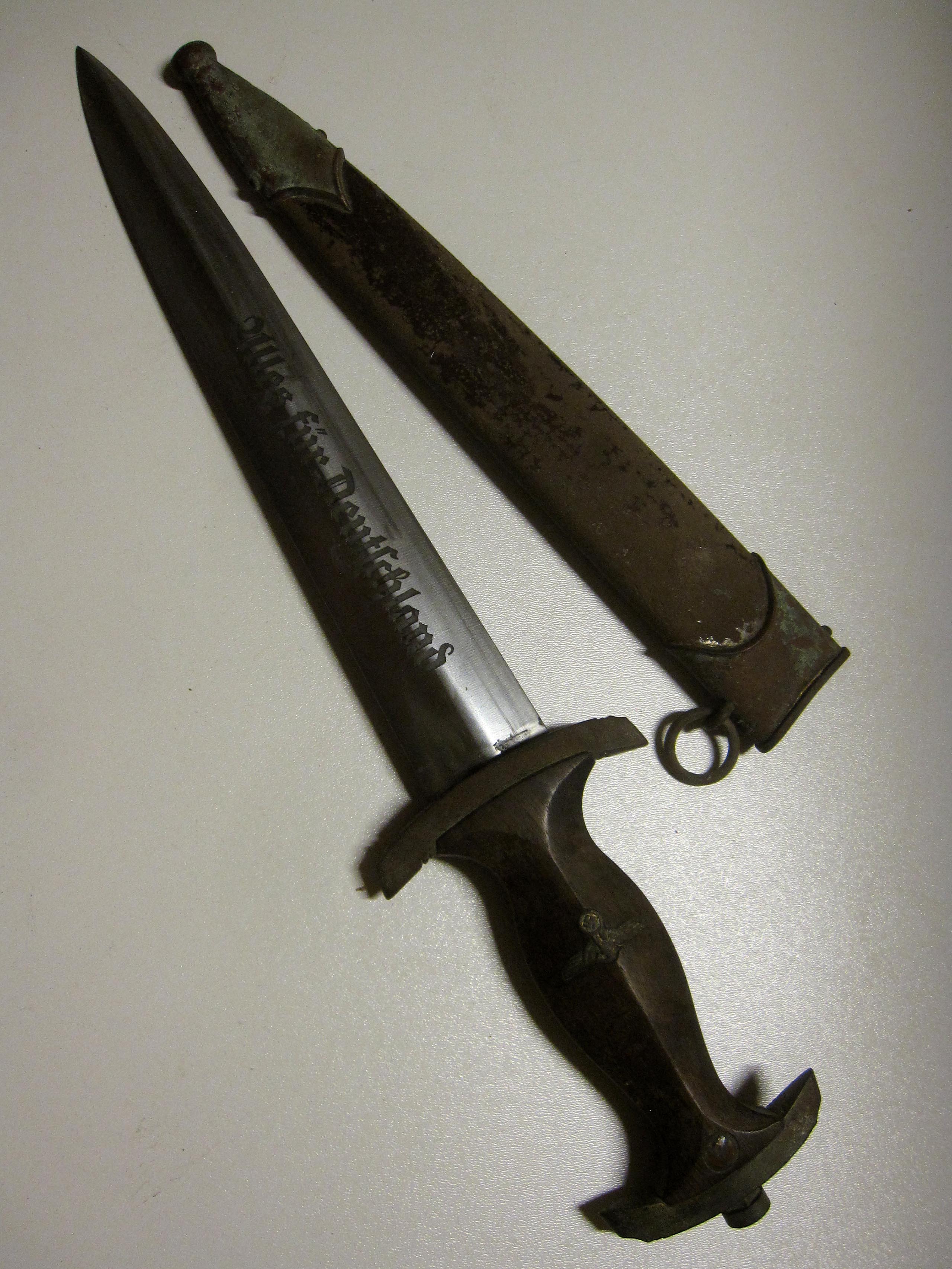
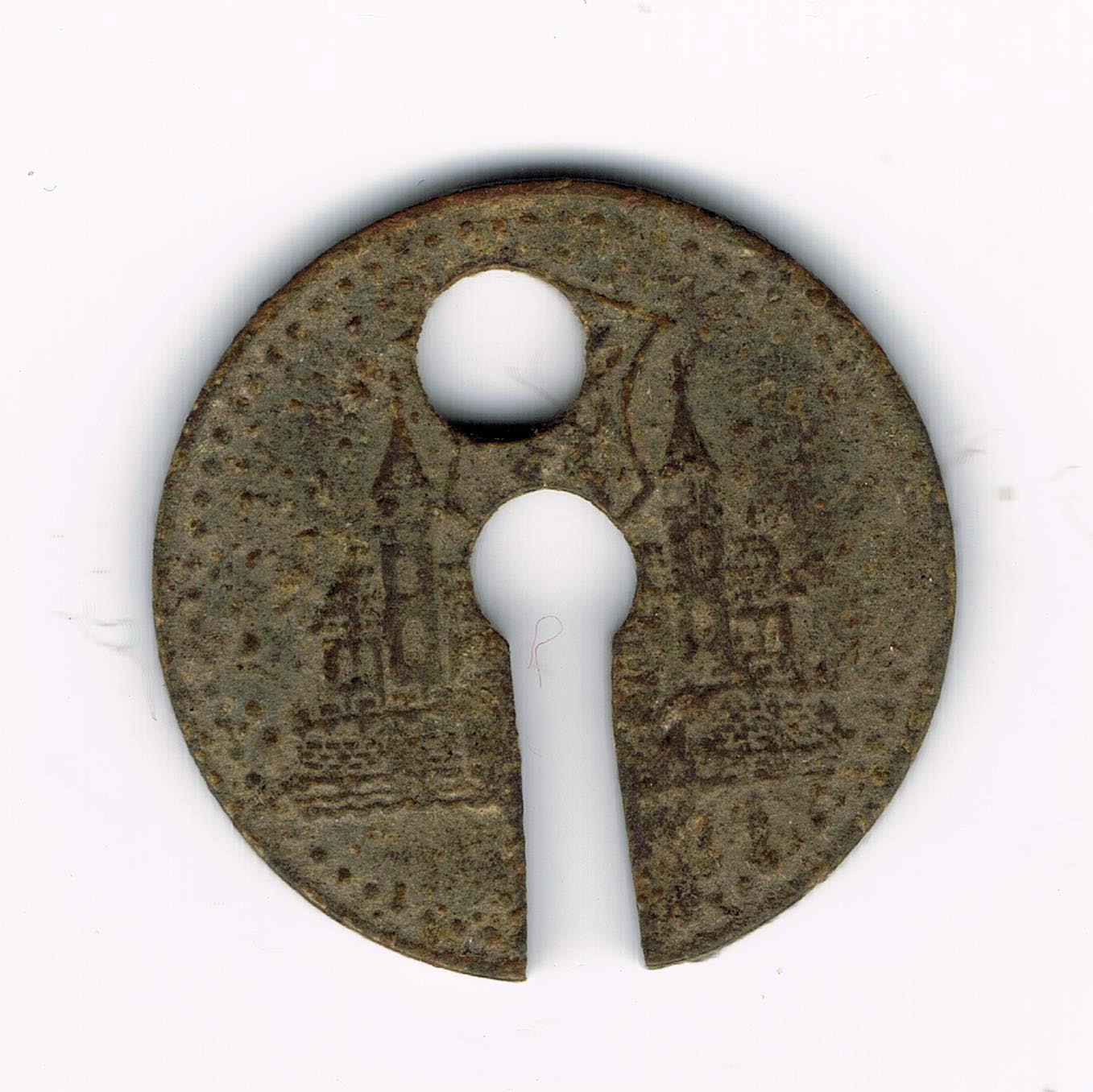
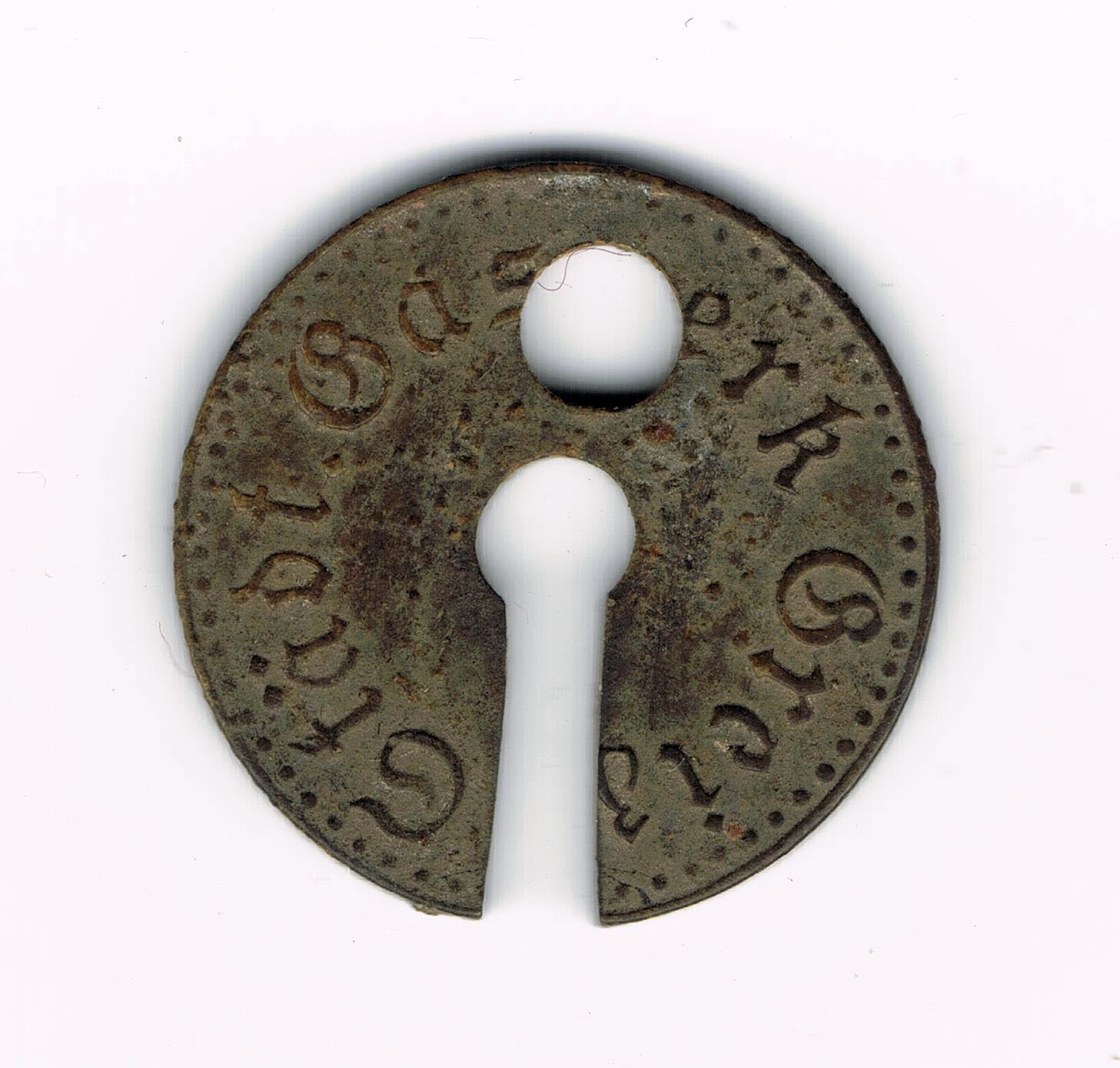
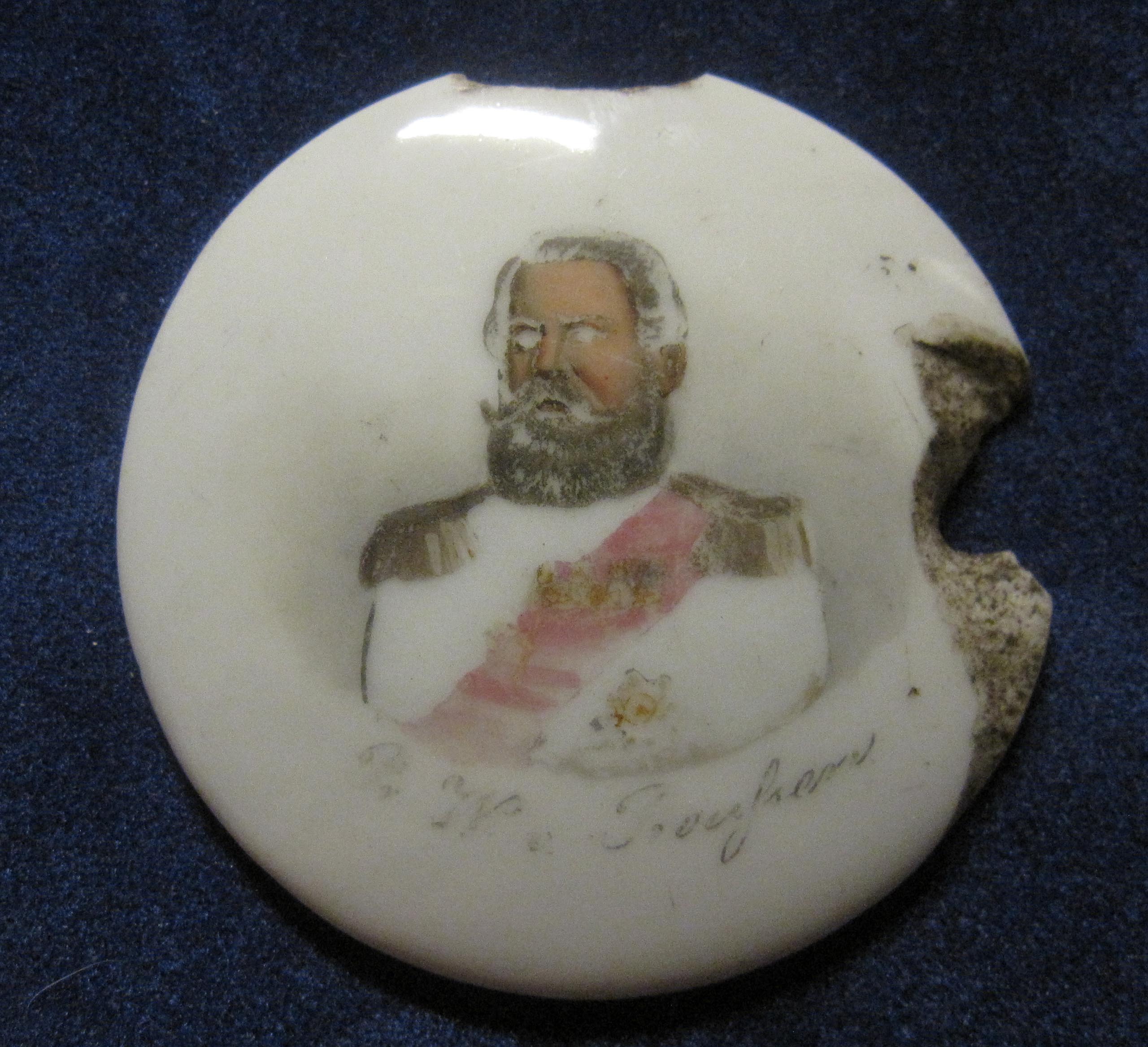
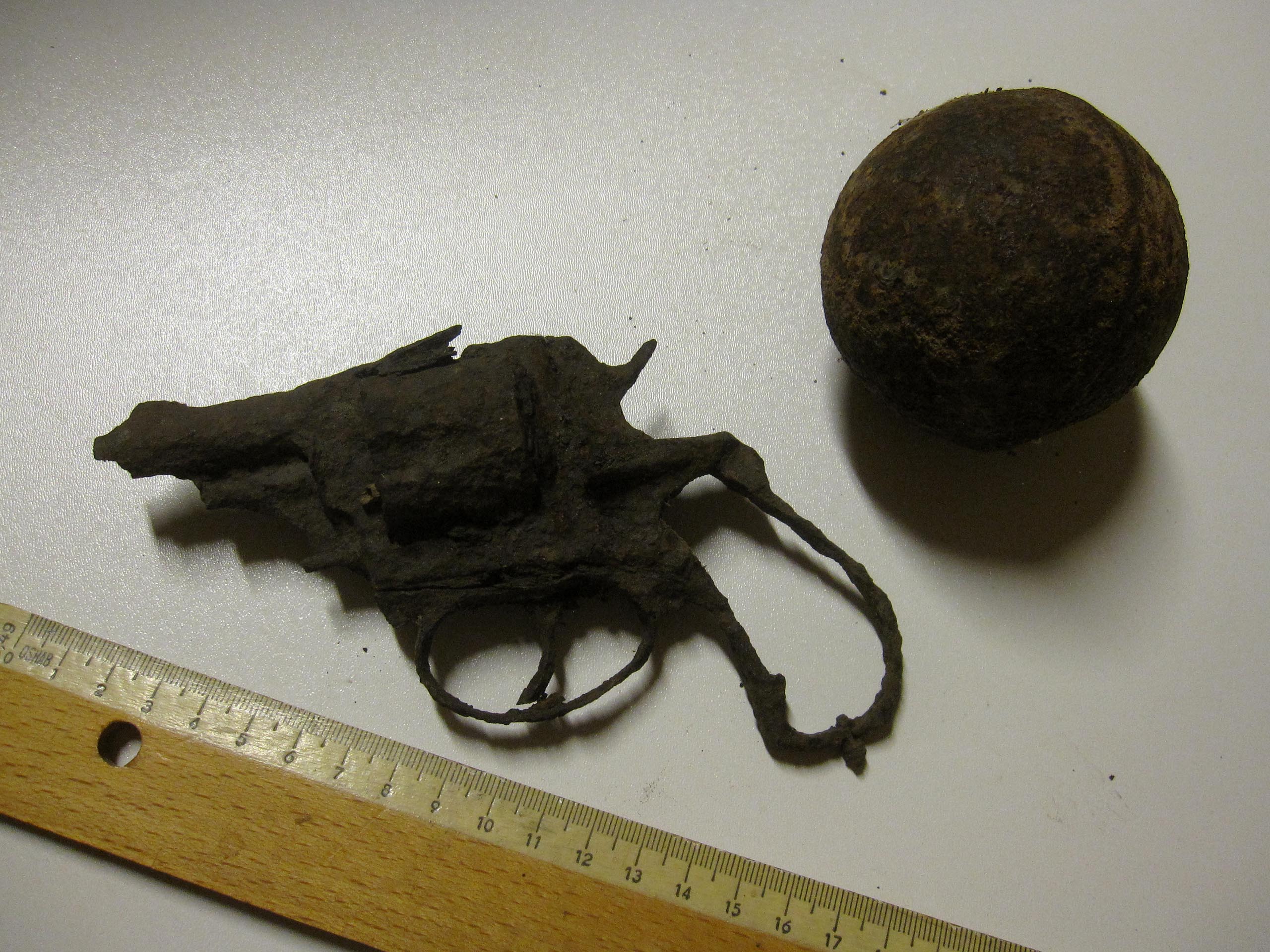


Istvanplatz in front of the Victor Dietel apartment building in Greiz — a Istvan Sky memorial project.
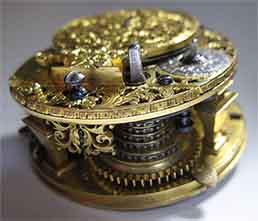
Repair and restoration of bracket clock with a verge escapement, is activated by a fusee (snail) and chain.
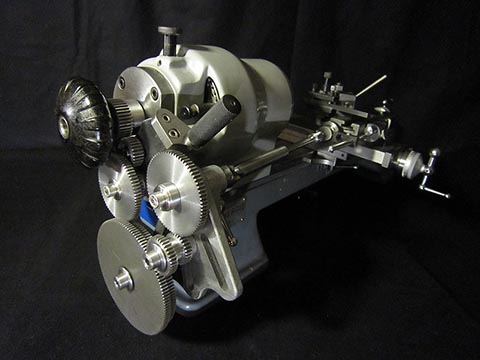
Threading attachment for Schaublin 70 handmade 2016 by Alexander Babel.
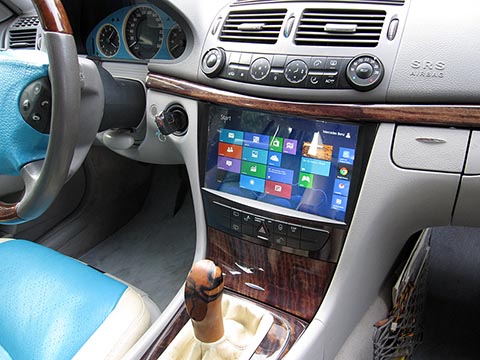
Car-PC for Mercedes Е Klasse W211. Designed and manufactured 2014
Alexander Babel is autodidakt as designer, engineer, precision mechanic, toolmaker, watchmaker and goldsmith.